
Wheat is one of the oldest cultivated grains and has been a staple food for human civilizations for thousands of years. Everyday aesthetics 11 – Wheat
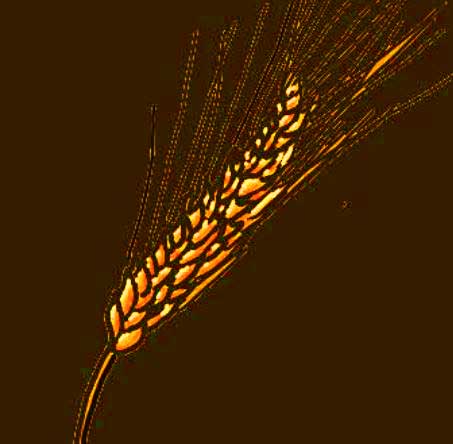
The cultivation of wheat began around 10,000 years ago in the Fertile Crescent, which includes parts of modern-day Iraq, Turkey, and Syria. It was a key factor in the development of agriculture and the transition from a nomadic lifestyle to settled communities.
Wheat is a cereal grain and belongs to the Triticum genus of the grass family. There are different varieties of wheat, but the most common types are hard wheat, soft wheat, and durum wheat. Each variety has different characteristics and uses.
The composition of wheat can be divided into three main parts: the bran, germ, and endosperm. The bran is the outer layer of the wheat kernel and is rich in fiber, B-vitamins, and minerals. The germ is the inner part of the kernel and is a concentrated source of nutrients, including healthy fats, vitamin E, B-vitamins, and phytochemicals. The endosperm is the starchy part of the kernel and provides carbohydrates, proteins, and small amounts of vitamins and minerals.
Wheat is a good source of carbohydrates, which are the primary source of energy for the body. It also contains proteins, with gluten being the main protein found in wheat. Gluten gives wheat dough its elasticity and is responsible for the texture of baked goods made from wheat flour.
Wheat is a rich source of several essential nutrients, including B-vitamins like thiamin, niacin, and folate, as well as minerals such as iron, magnesium, and zinc.
Today, wheat is a staple crop in many parts of the world, and its derivatives, such as flour, are used in a wide range of foods, including bread, pasta, pastries, and cereals.
Everyday aesthetics 11 – Wheat