
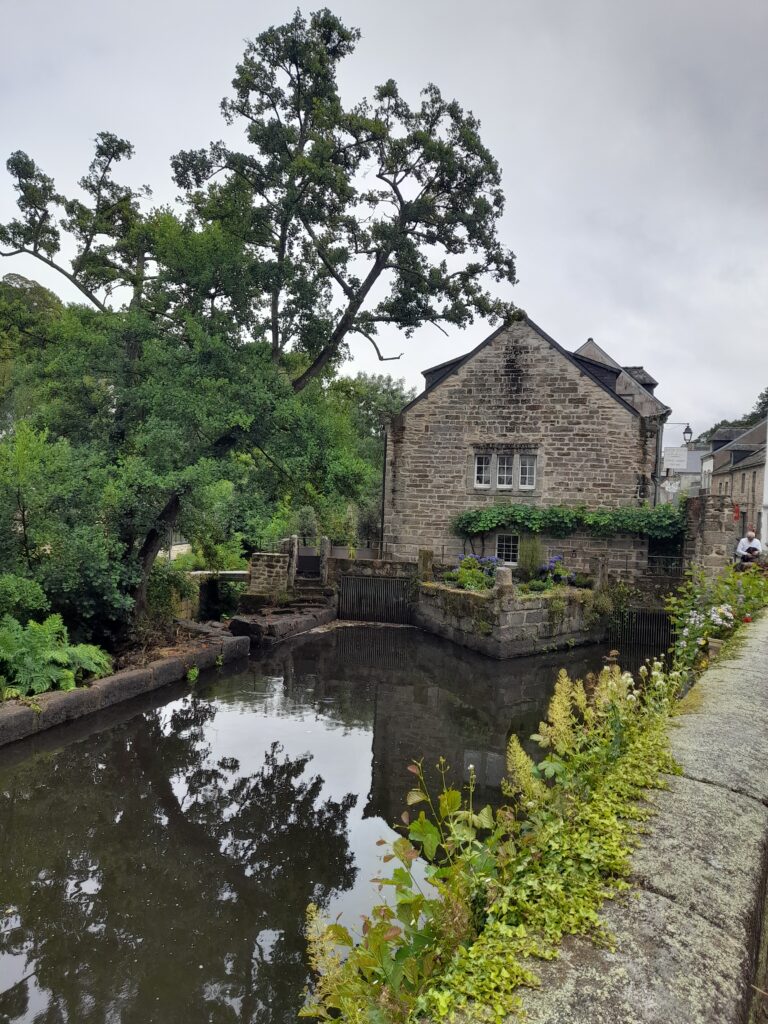
Pont-Aven, the home of one of the most avant-garde movements in Modern Art. The gallery in Pont-Aven contains a brilliant display of many works of the time and an exhaustive explanation of the time, the artists and the movements inspired there. Mysticism synthetism symbolism SouthSeas.
In the mid-1800s the fishing village was at first colonised by artists from the USA and the French and other European artists arrived in their droves later in the century.
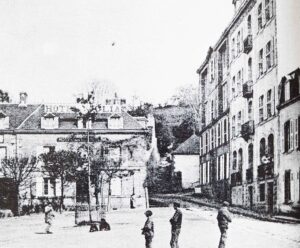
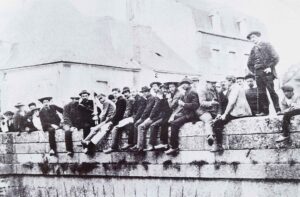
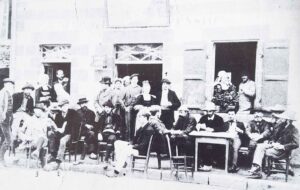
At the end of the 19th Century a move of mysticism spread around the globe giving birth to a spiritual creativity in Cornwall as well as Brittany. Both were lands of inspiration rich in local people, sea and landscape, churches, chapels and in Brittany in particular, calvaries.

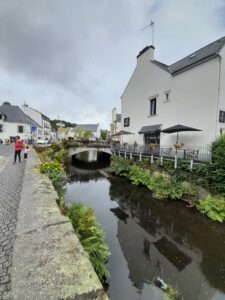
Paul Gauguin, the most well know artist to reside in Pont-Aven, was fascinated by spirituality and this is particularly evident in his later works in Pont Aven and when he travelled to the South Seas.
The artist Maurice Denis extended this vision of the sacred and spirituality to anchor it in the everyday. Another well-known artist Paul Sérusier broadened the spiritual by looking for an exploration of the ‘Golden Ratio’ (Fibonacci etc) in his work.
The Pont-Aven School as it became known retrospectively, grew particularly prominent from 1888 and especially with the arrival of Gauguin. Gauguin didn’t lead his artist followers but rather promoted opportunities for artistic debate, discussion and exploration. They considered ideas, aesthetics and talked about theoretic considerations in respect of art. All very avant-garde and innovative.
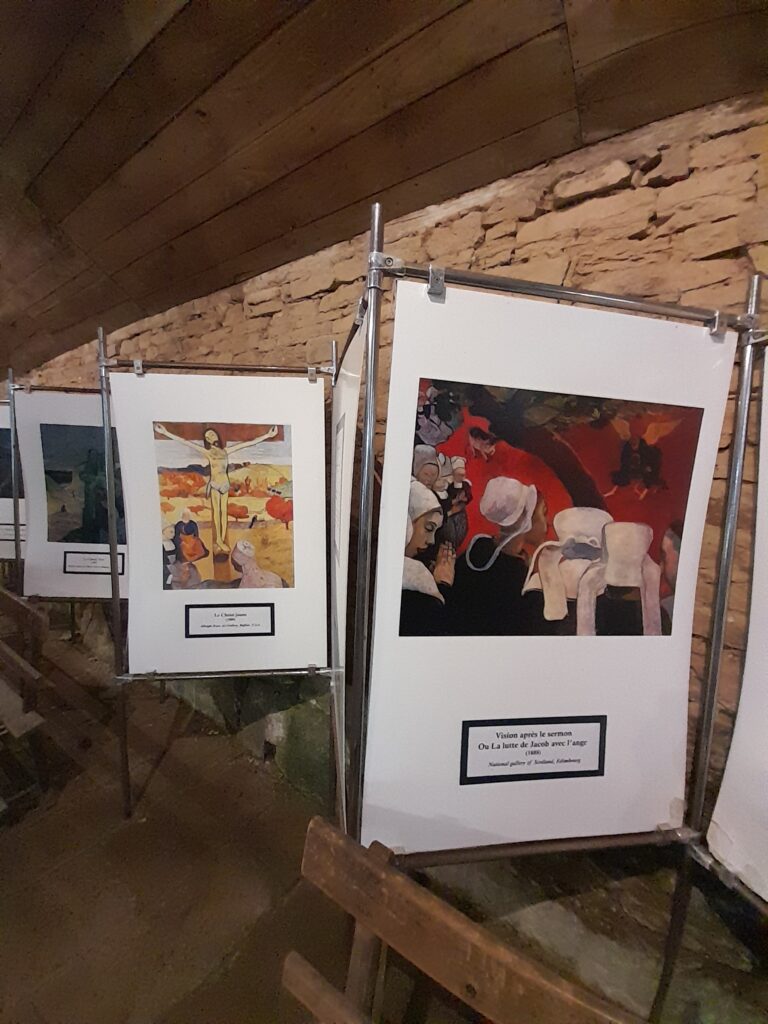
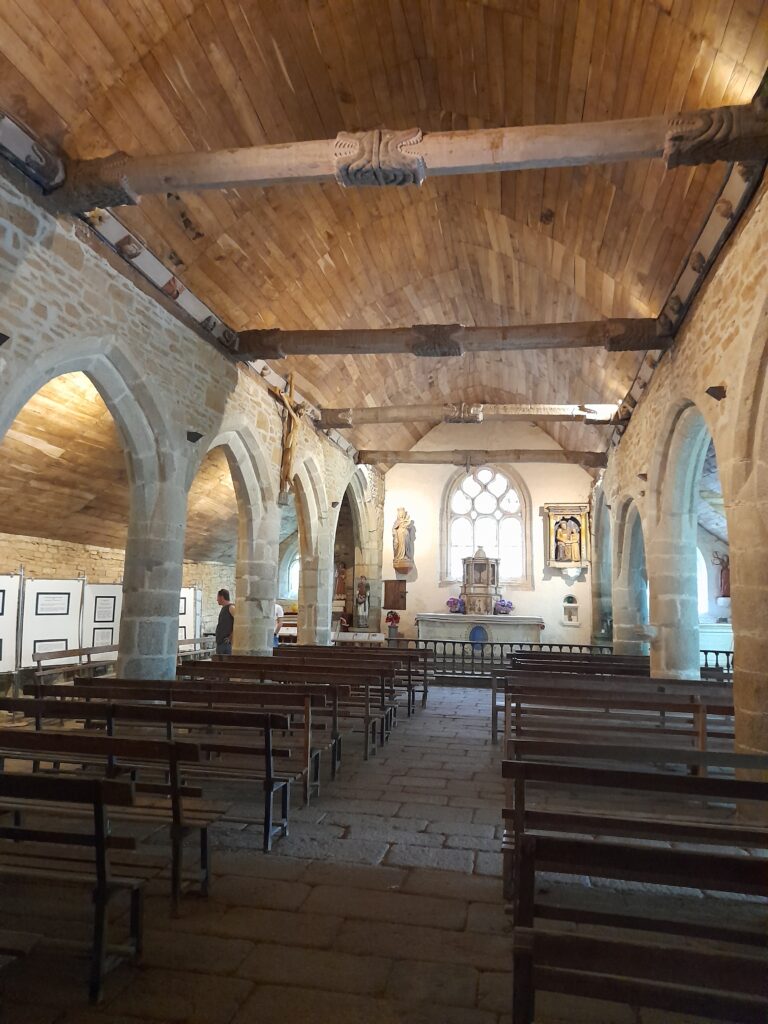
Some examples from Pont-Aven gallery showing works completed during the time of the Pont-Aven School.
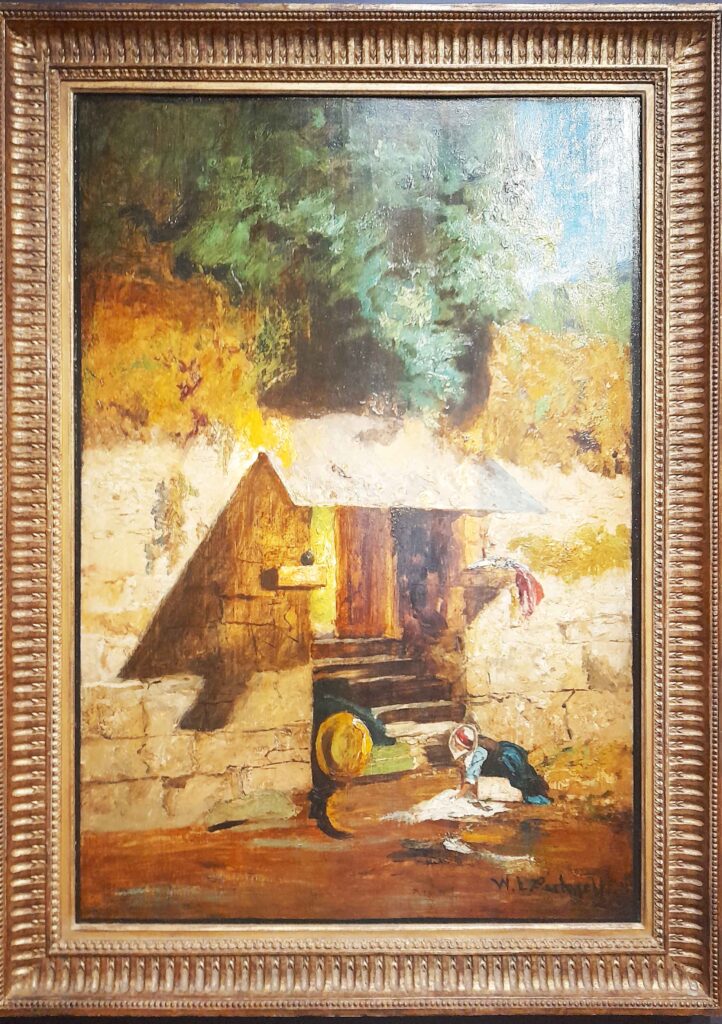
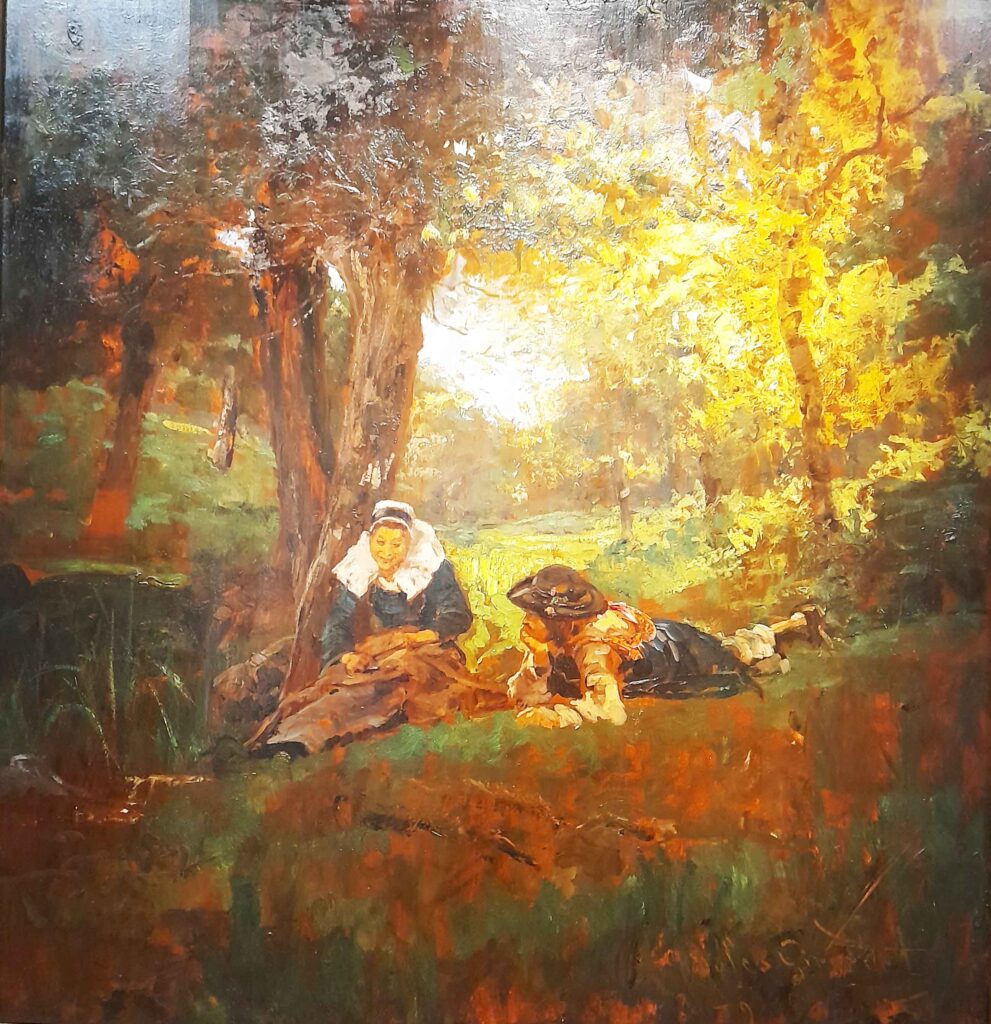
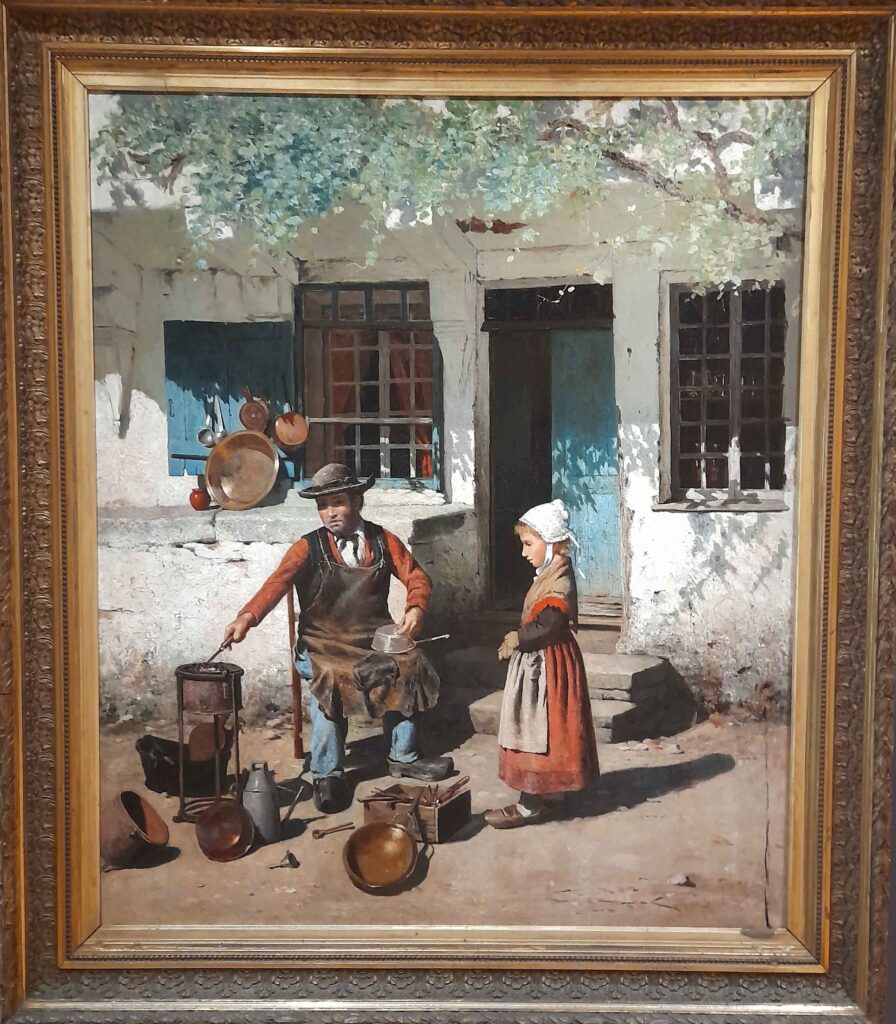
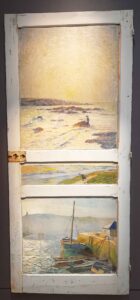
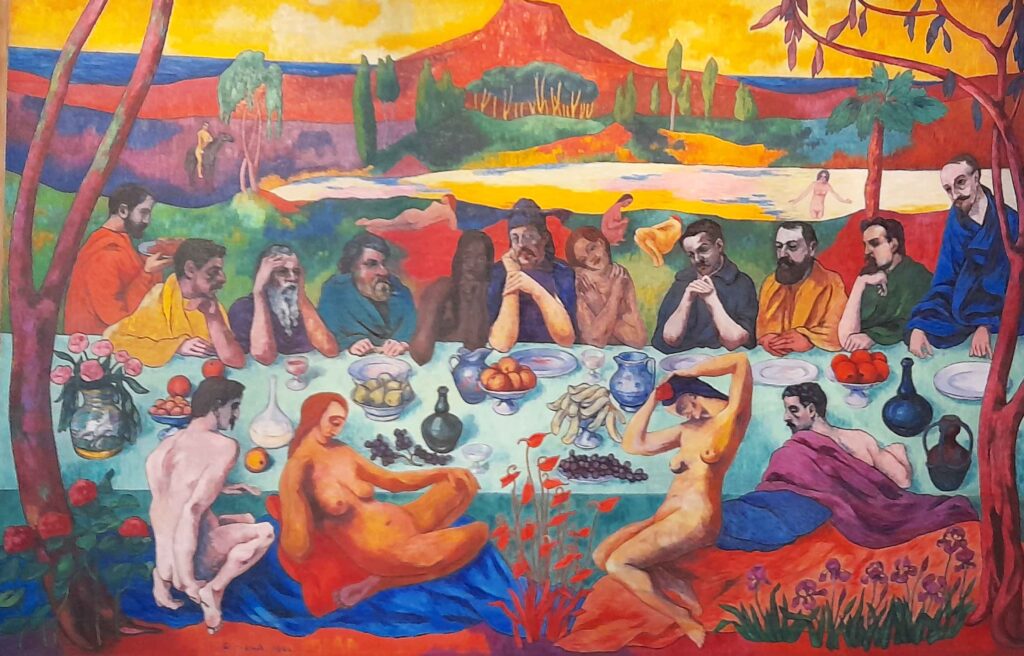
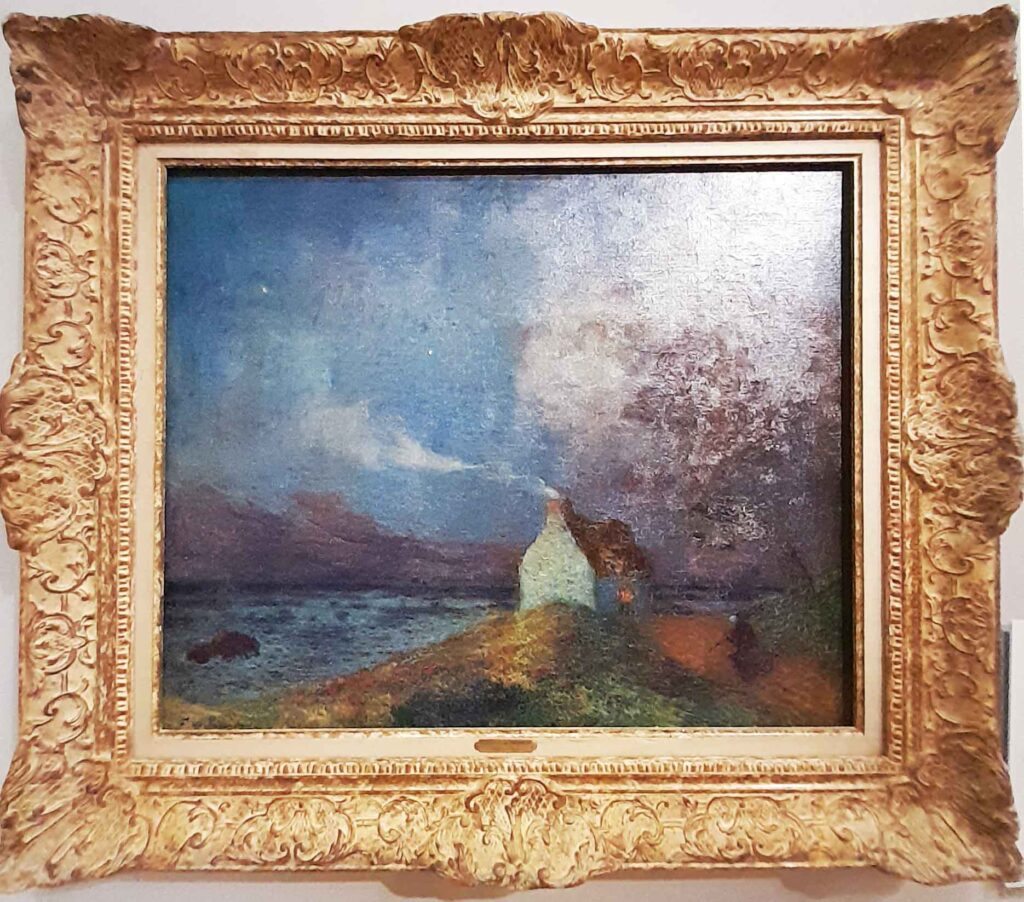
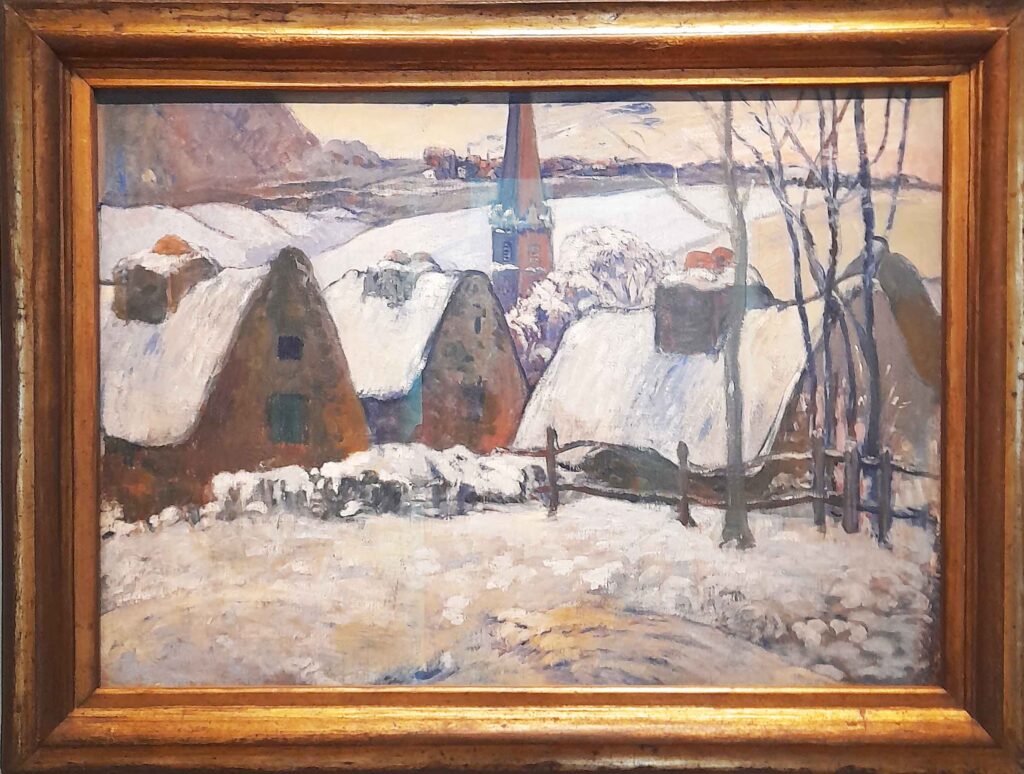
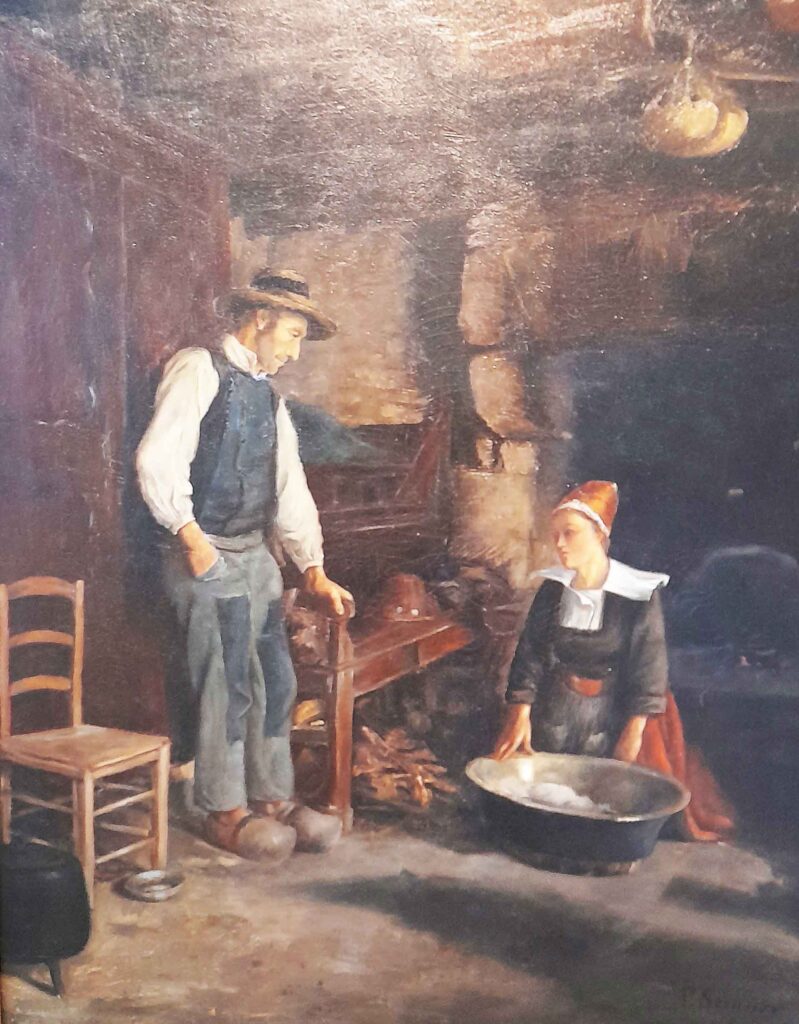
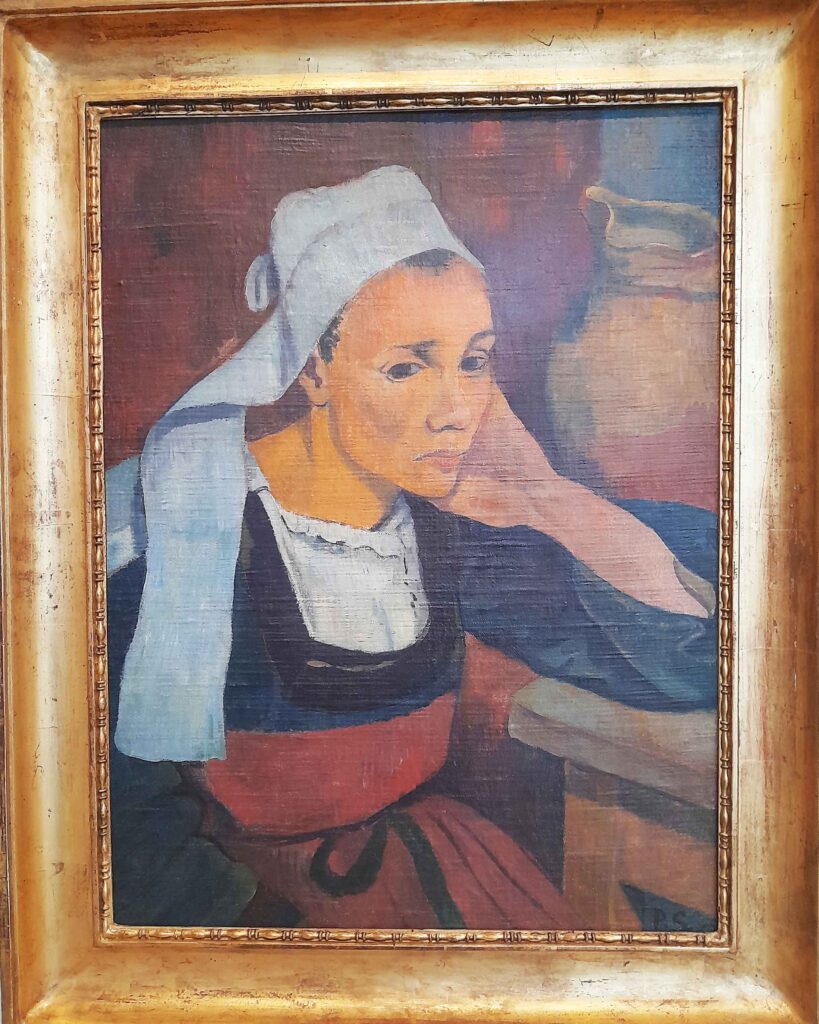
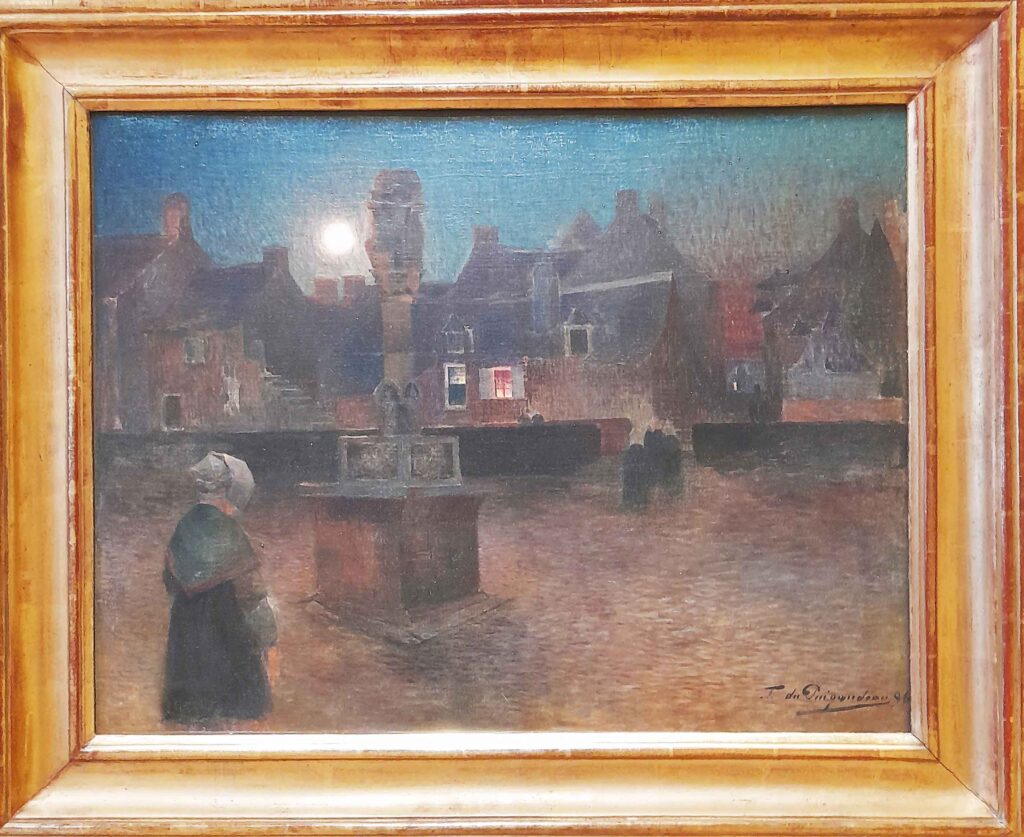
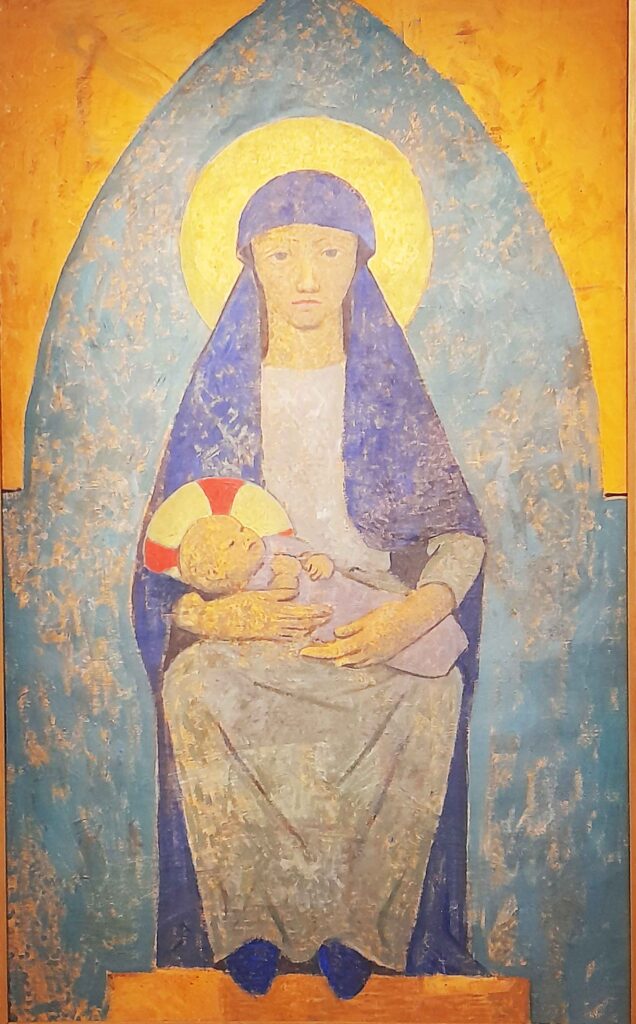
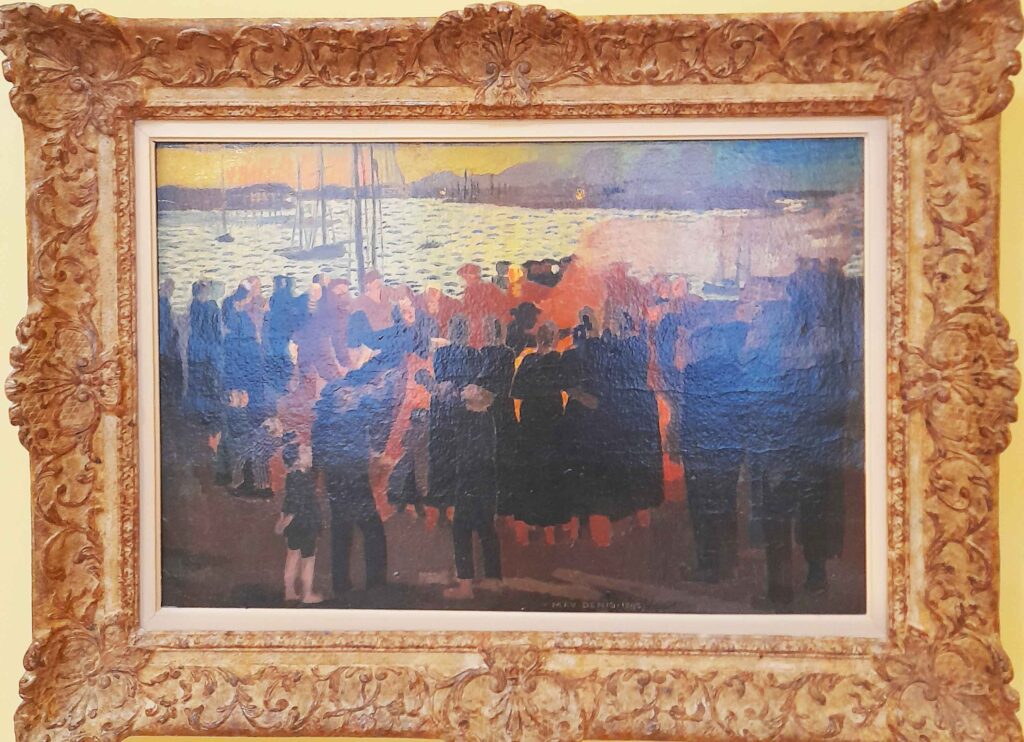
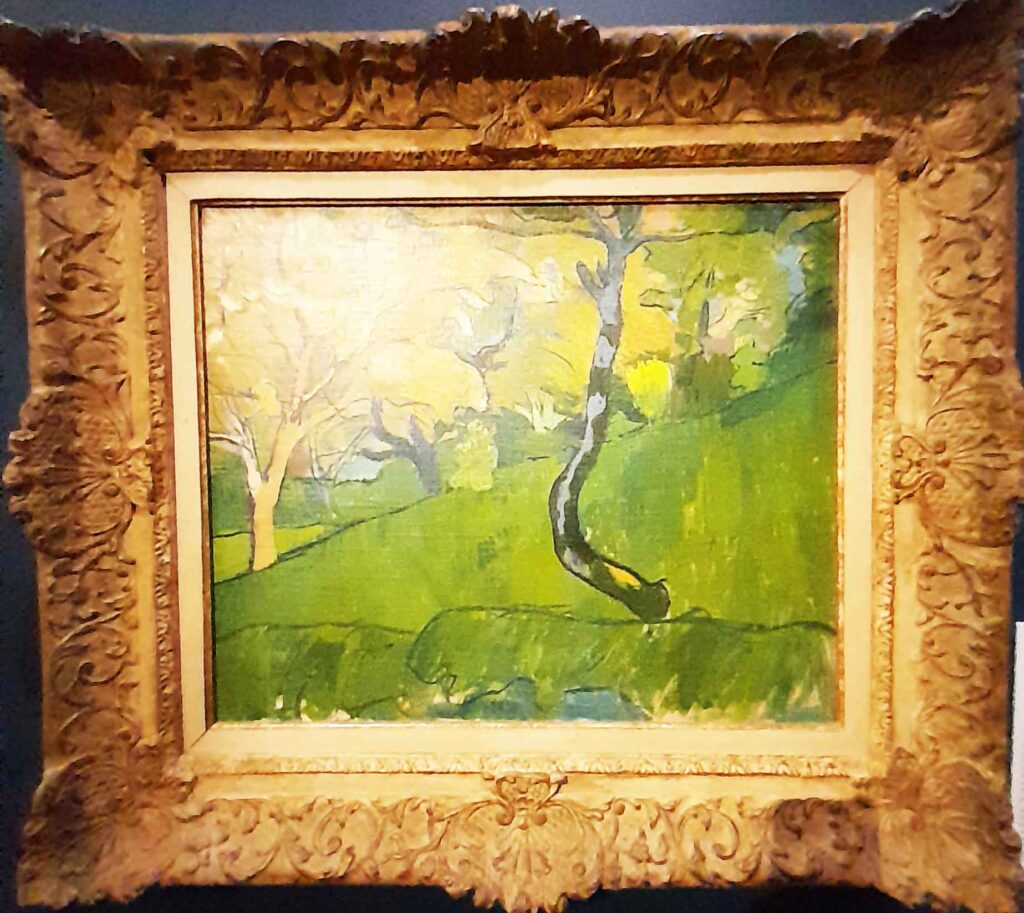
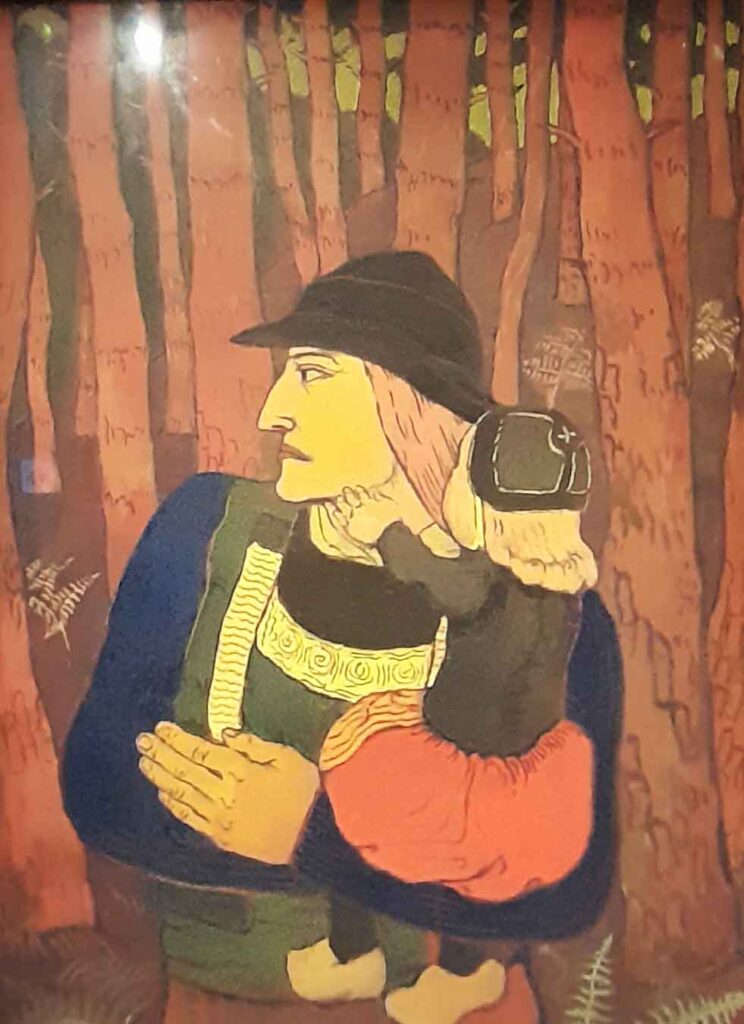
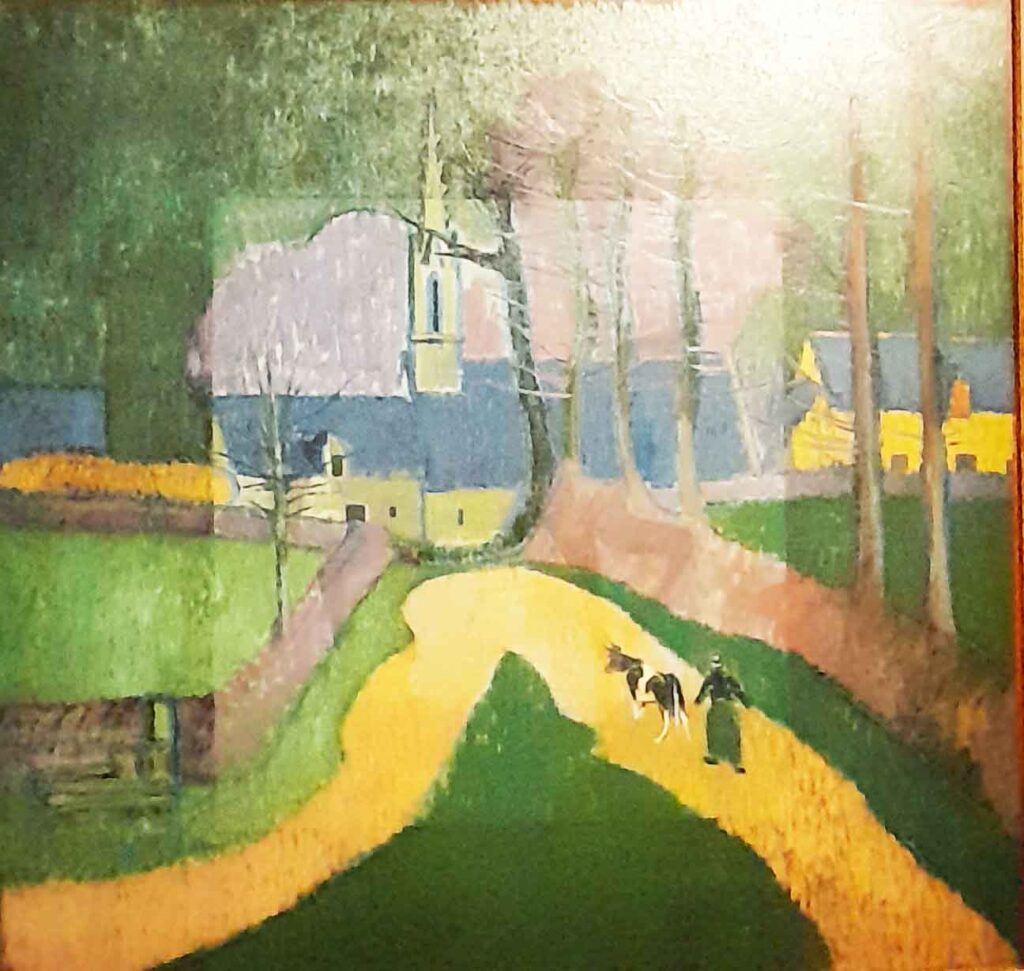
Gauguin explored and is credited with initiating the movement that would become known as Symbolism and Synthetism. Essentially this meant his works, and those who followed him, synthesised together realistic representation with images from the artist’s memory, the emotions they felt at the time and their imagination. This is best exemplified by Gauguin’s most famous works ‘The Vision from the Sermon’ painted by the influence of the XVI century Chapel of Trémlo at the Bois d’Amour.

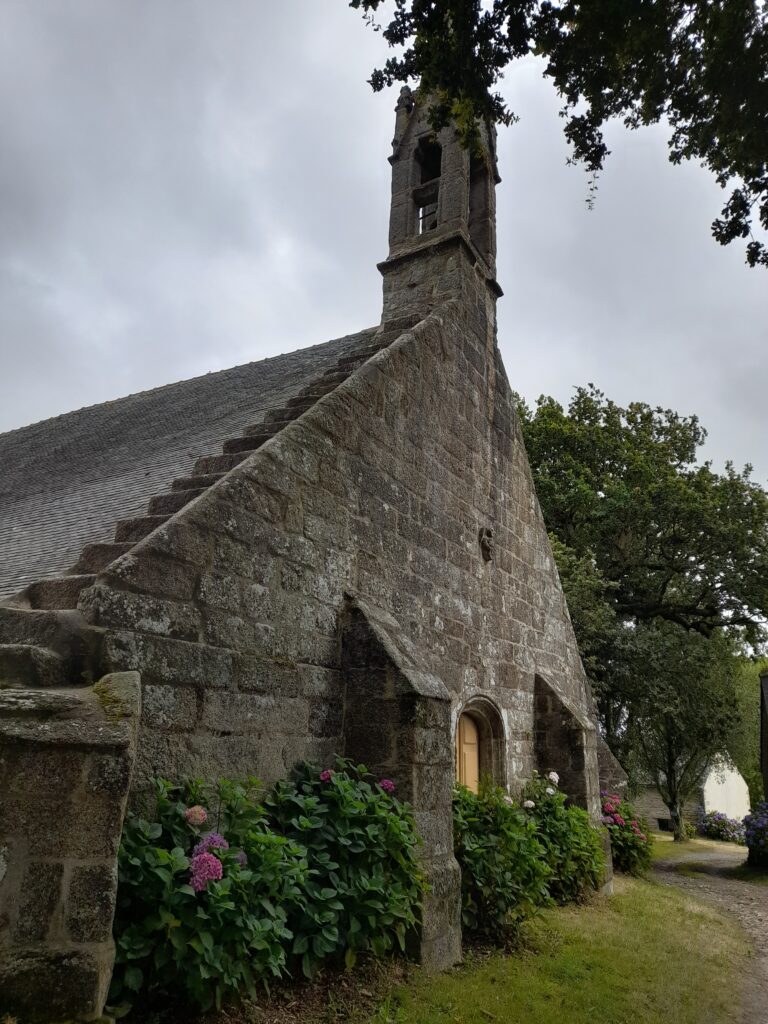
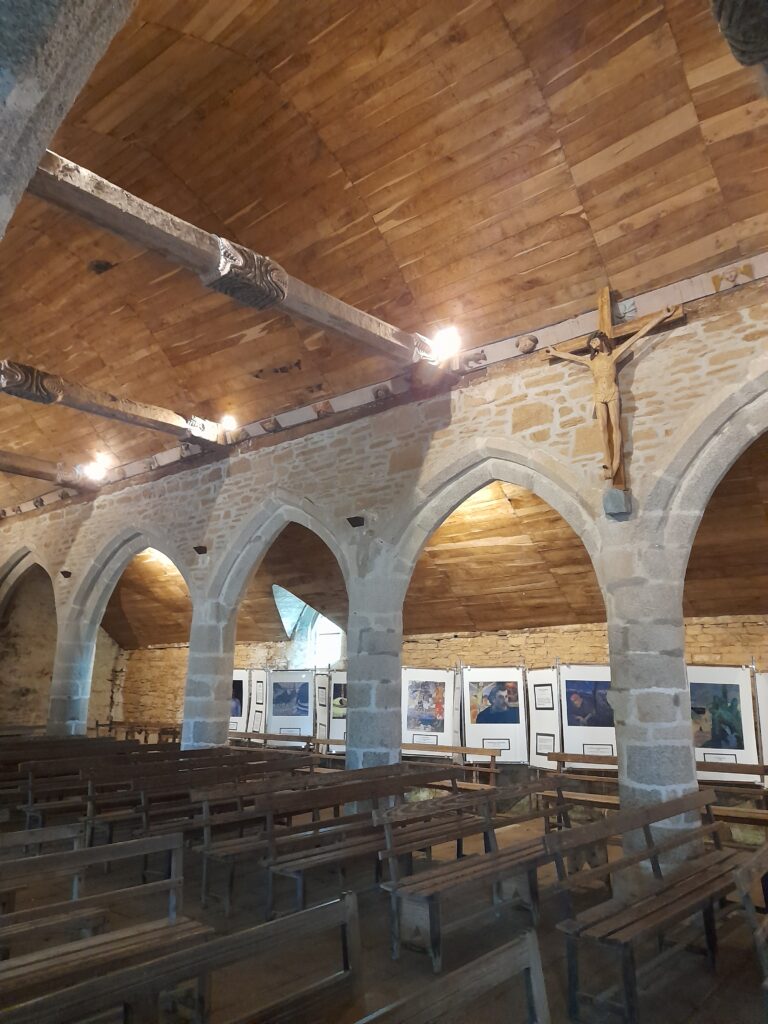
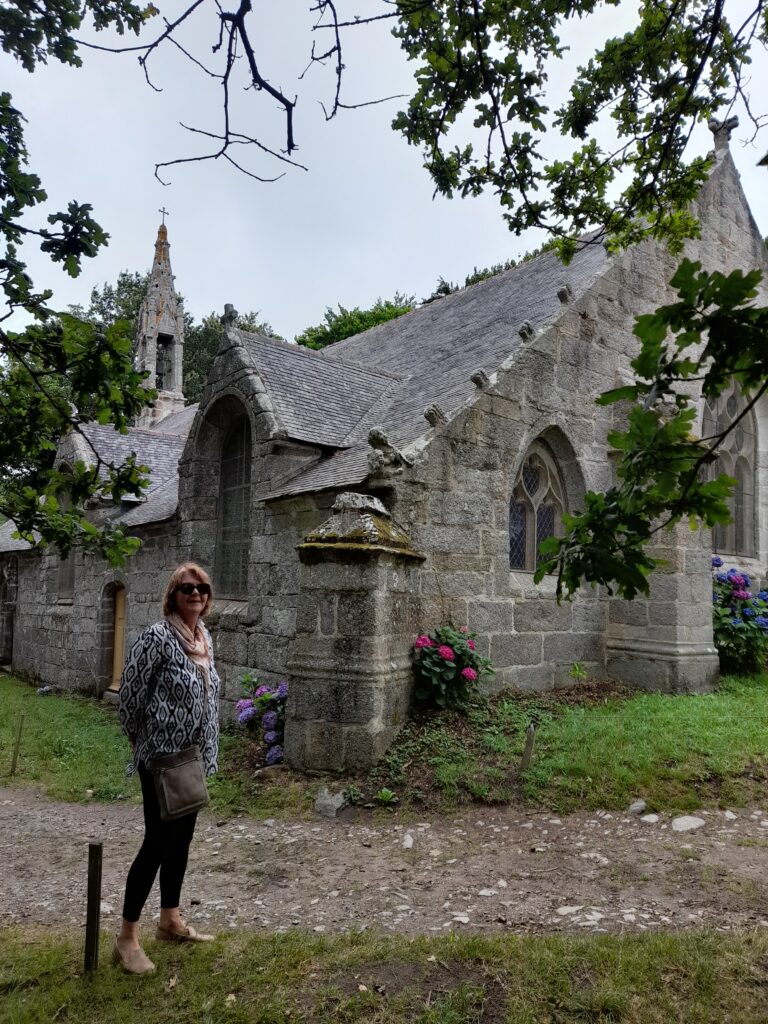
It can also be noted in Gauguin’s style the use of blocks of colour surrounded by black borders similar to the stained-glass effect ‘cloisonnism’. This approach Gauguin developed alongside Émile Bernard thus forming a new aesthetic dramatically enhanced with his synthetist and symbolist application.

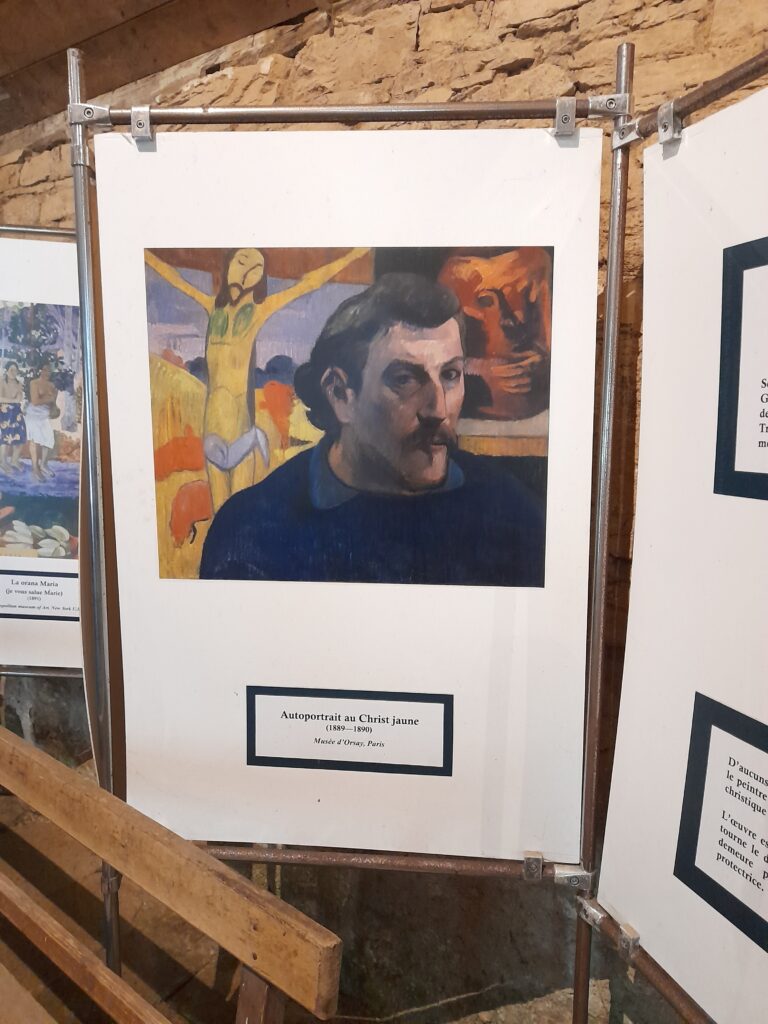
The hanging crucifix in this chapel also inspired Gauguin to paint another of his most well-known works ‘The Yellow Crucifix’ wherein he self-portraits himself as a Christ figure.

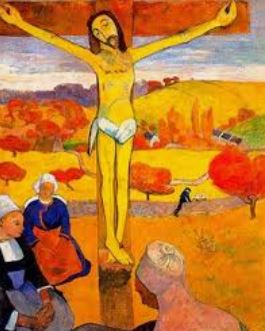
Delusions of grandeur or true symbolism, emotion and synthetism? If nothing else, it certainly gets you thinking and taking notice of the work. It’s not a simple ‘chocolate box’ representation. It particularly works as a result of its vibrant colours, the imagery of course but that dramatically appealing as a primitive simplification of form of the sacred symbolism.
Today Paul Gauguin is a controversial figure in respect of the attraction he found in young South Seas’ female islanders. That is today’s values, was such the same then? But then, have we moved on in our ‘rights’? Also, perhaps for his leaving his wife and family after failing in a finance career after a career in the French Navy and before that as a merchant seaman.
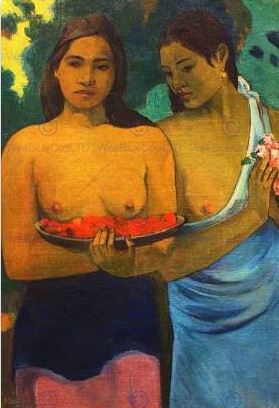
But consider the two ends of the spectrum, finance versus being a true, innovative avant-garde artist. The latter immensely successful therefore understandably a failure at the former. The two in complete juxtaposition and contrast.
‘The right to dare all’ he once said.
Mysticism synthetism symbolism SouthSeas