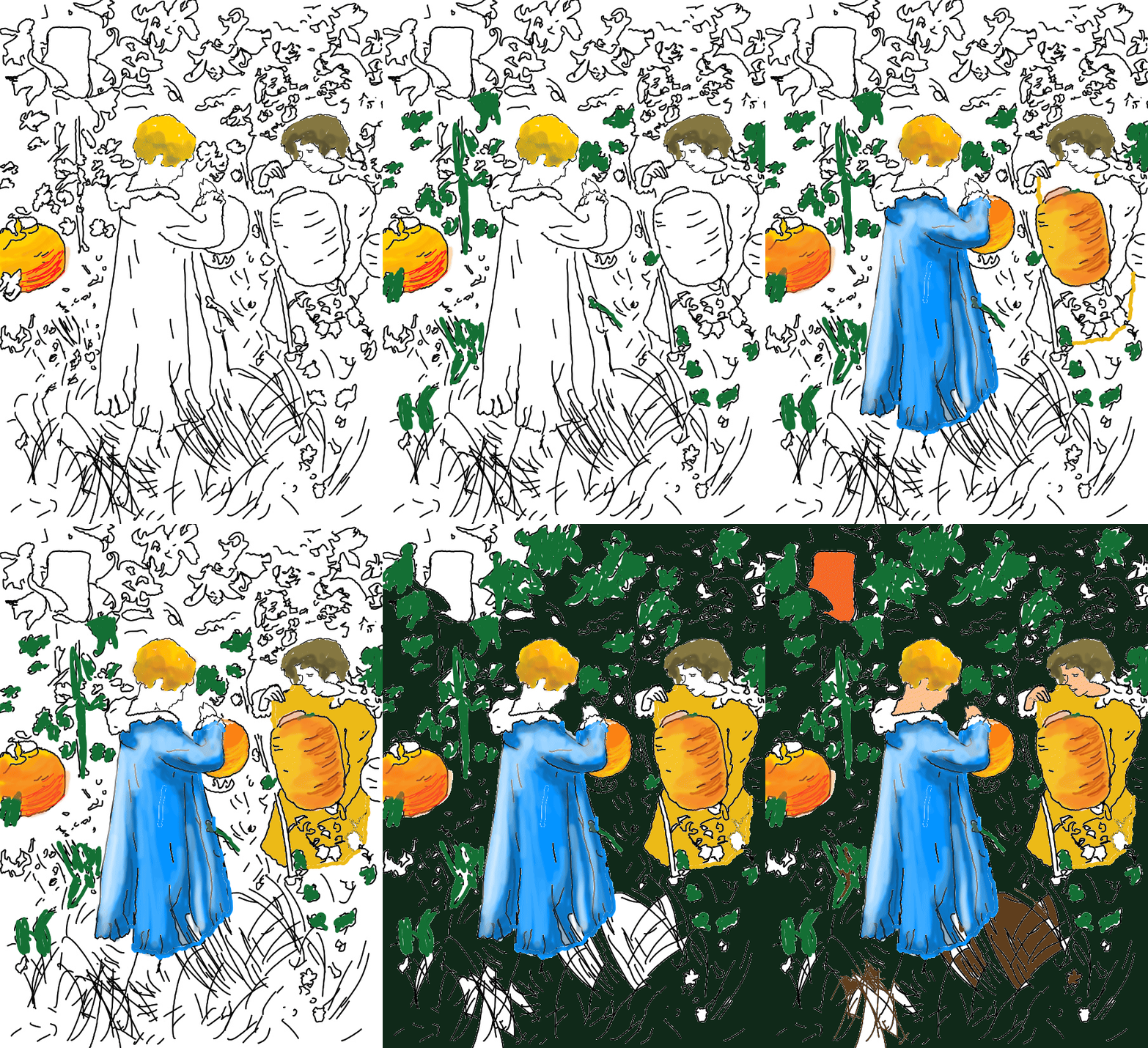
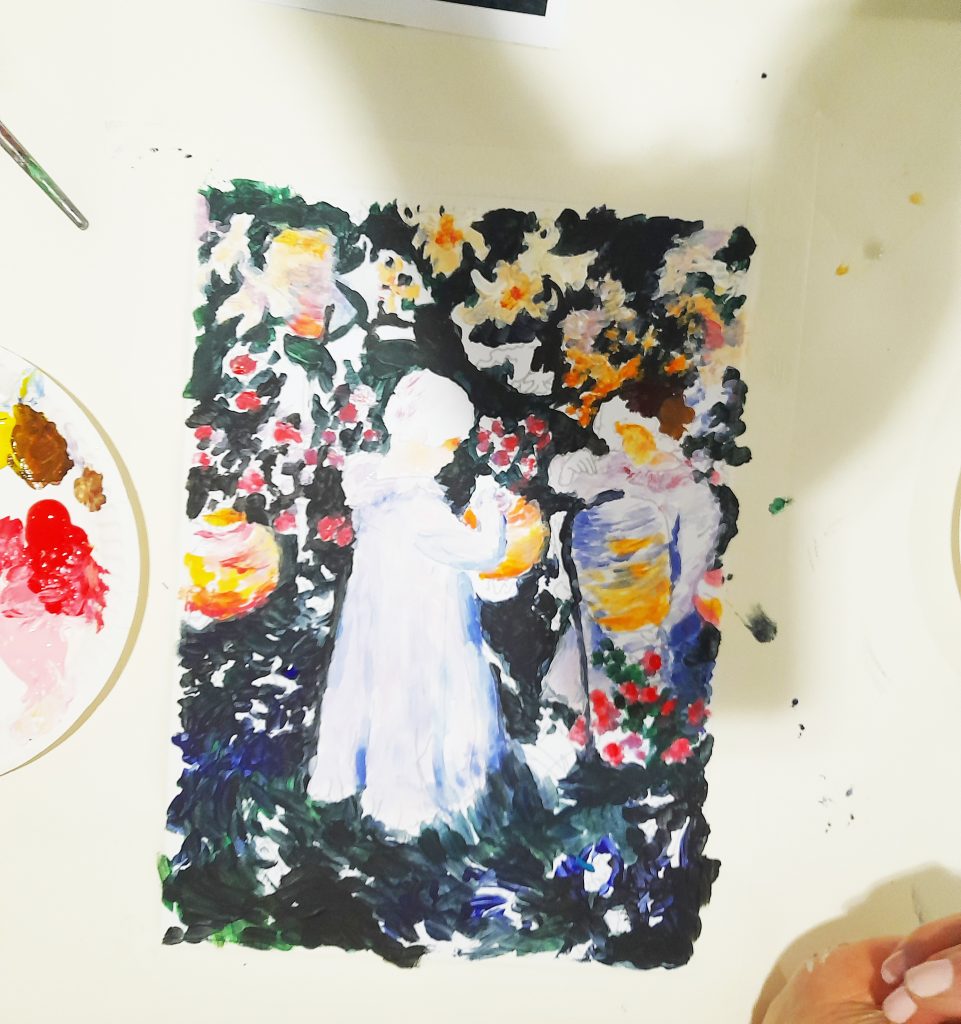
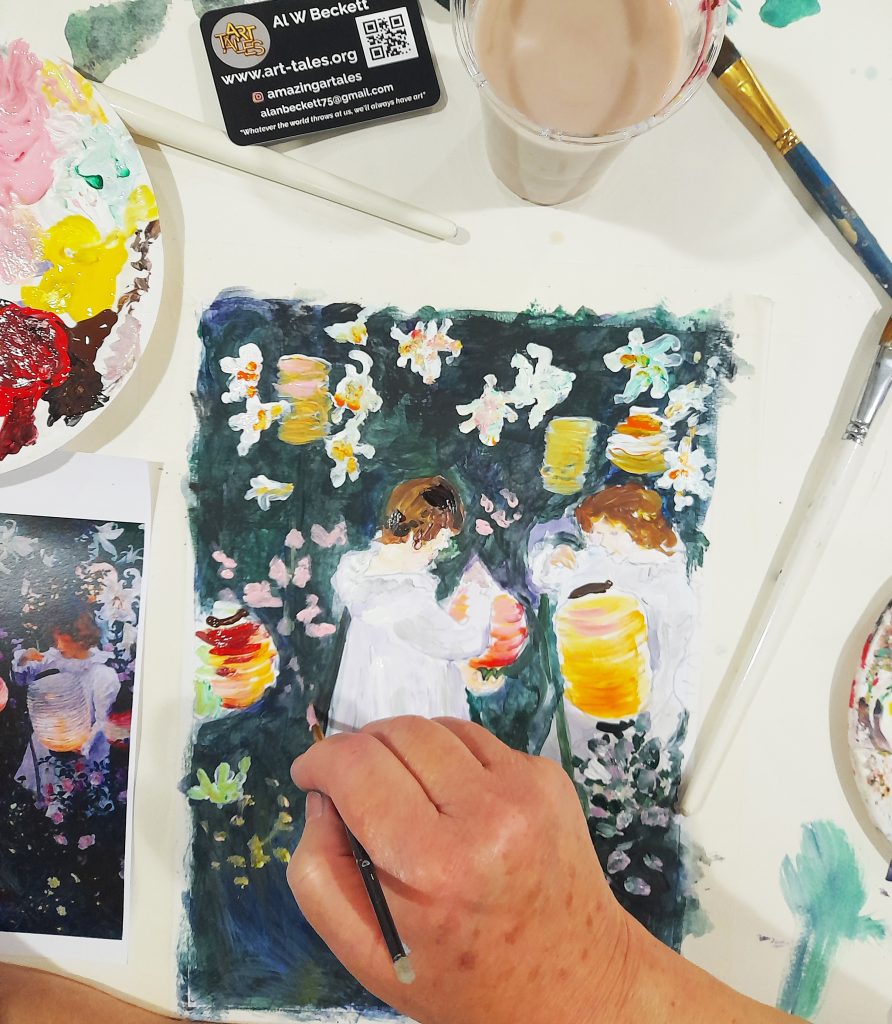
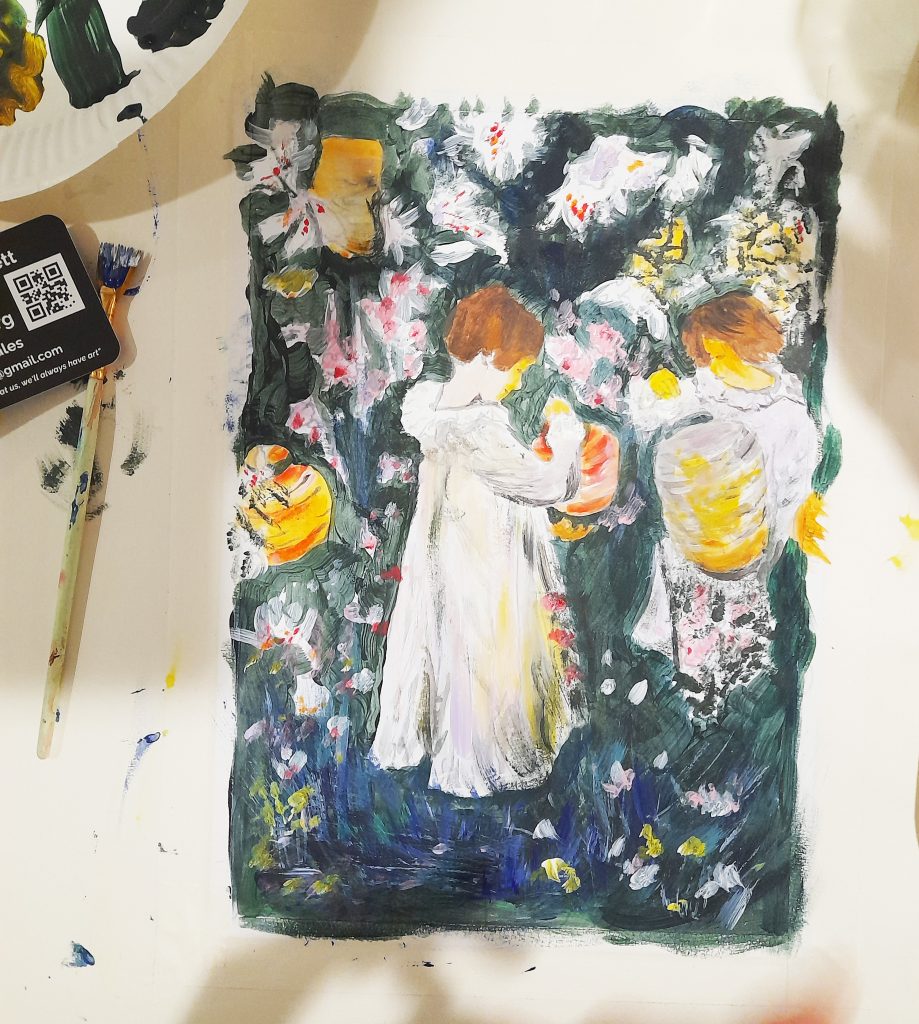
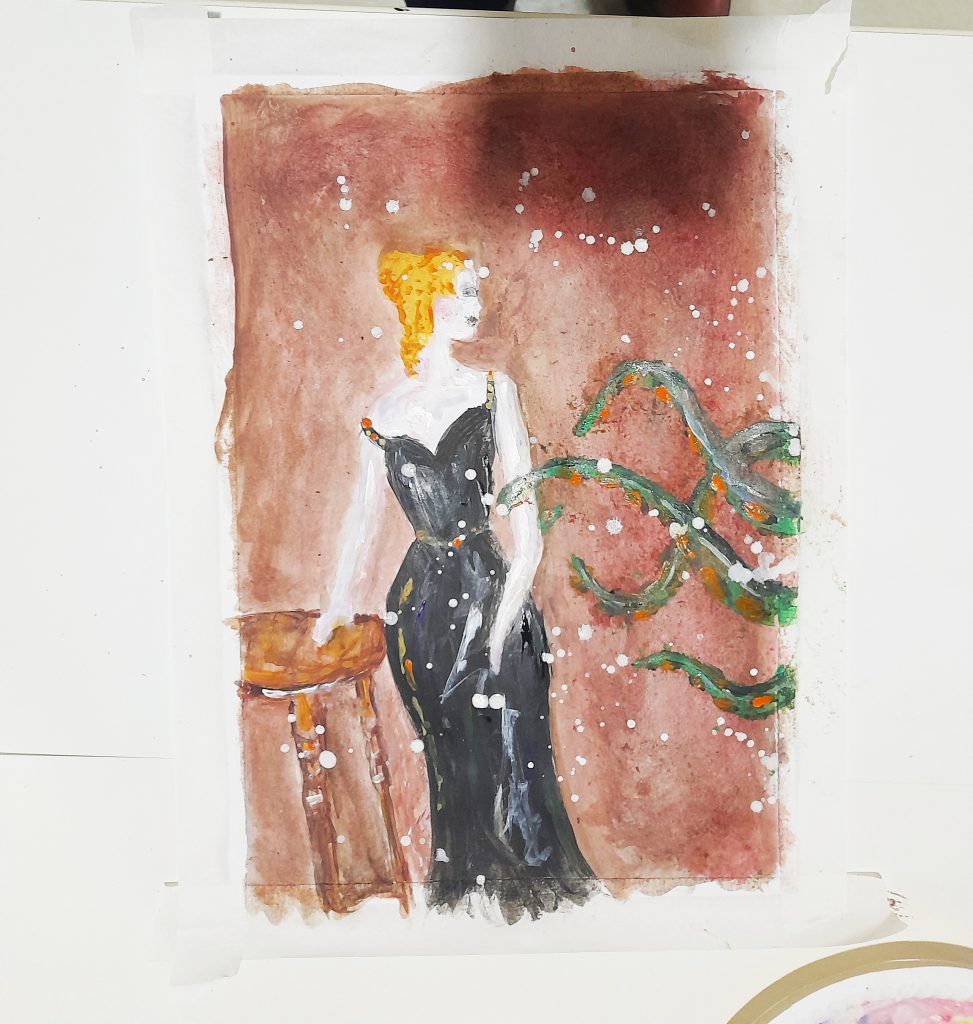
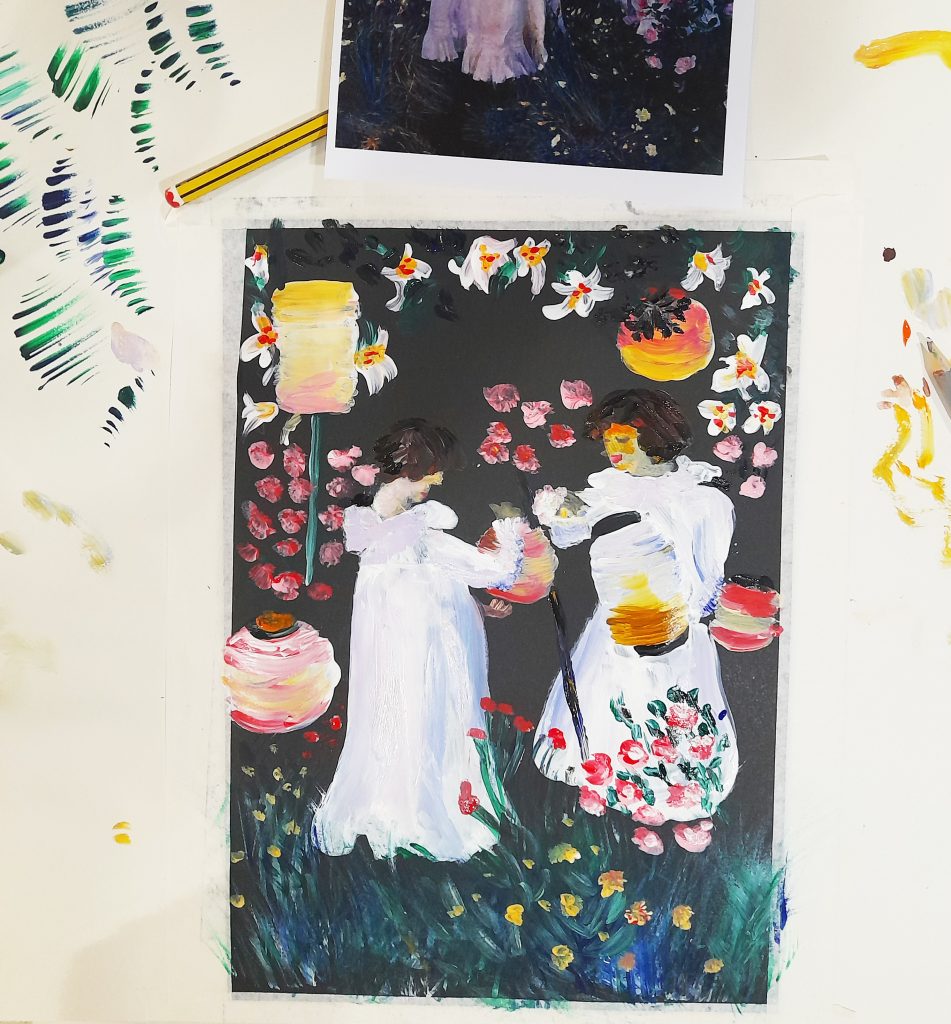
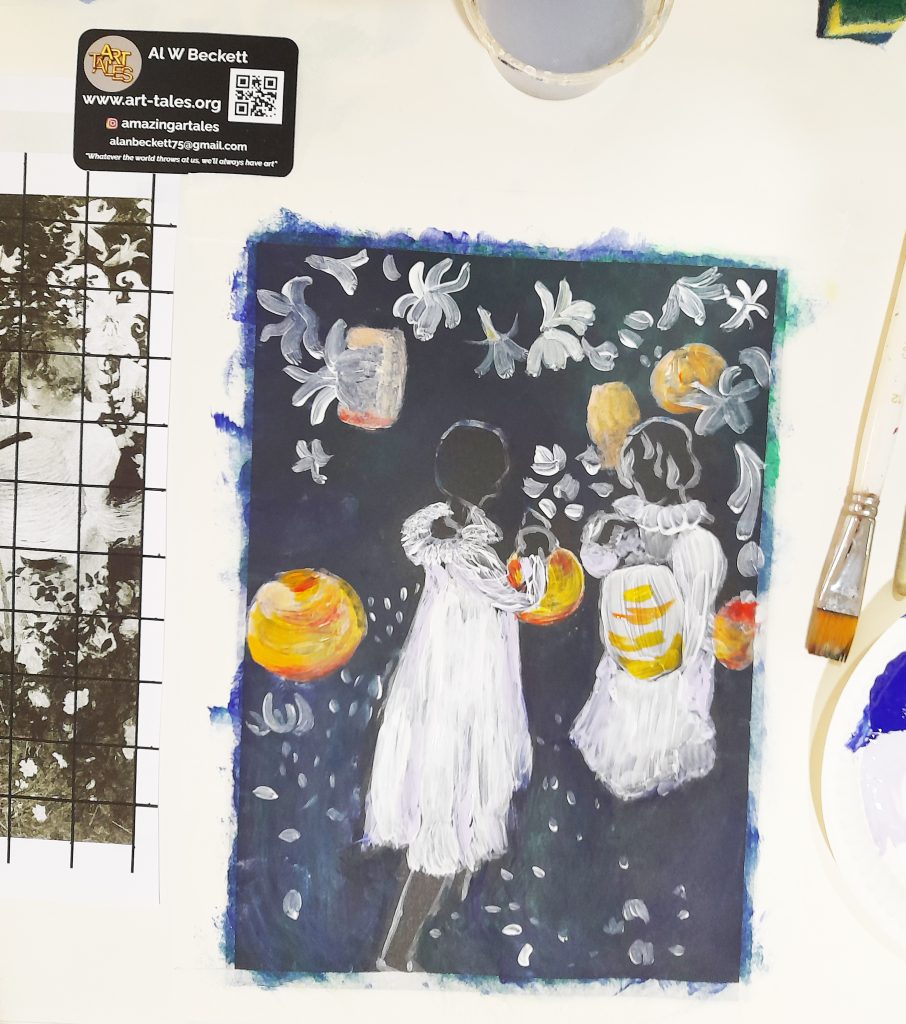
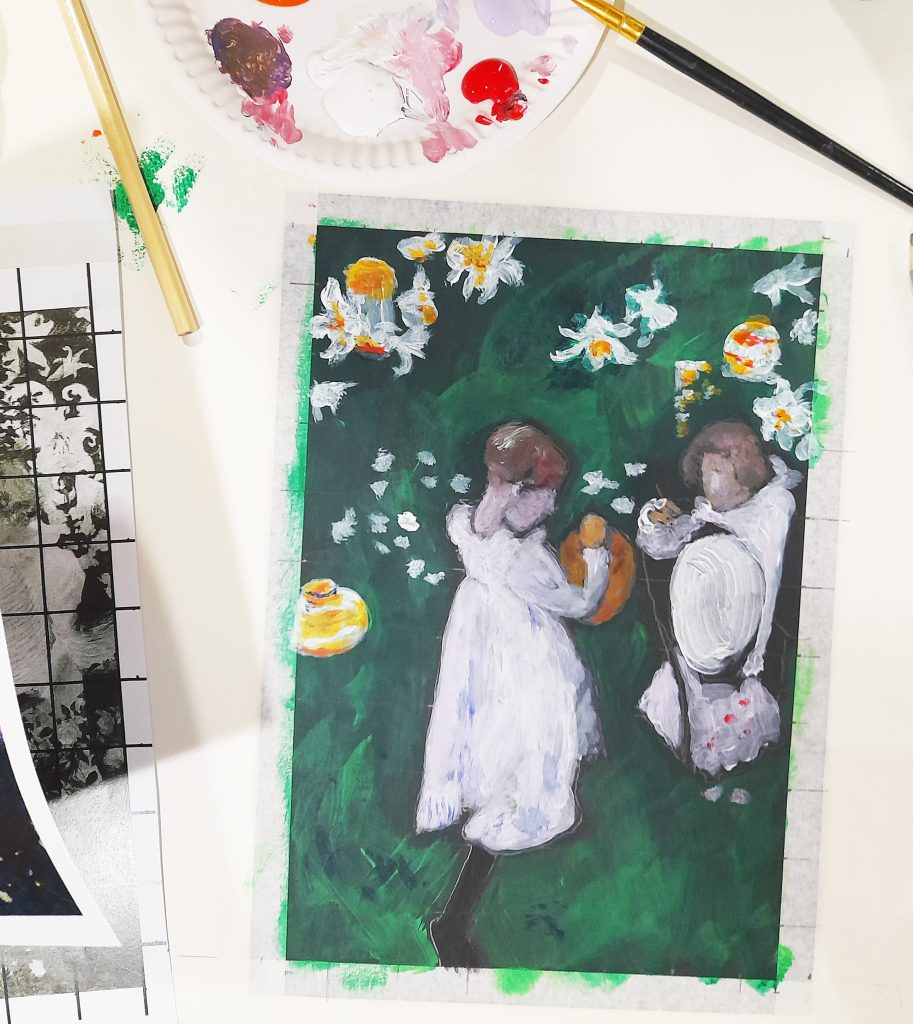
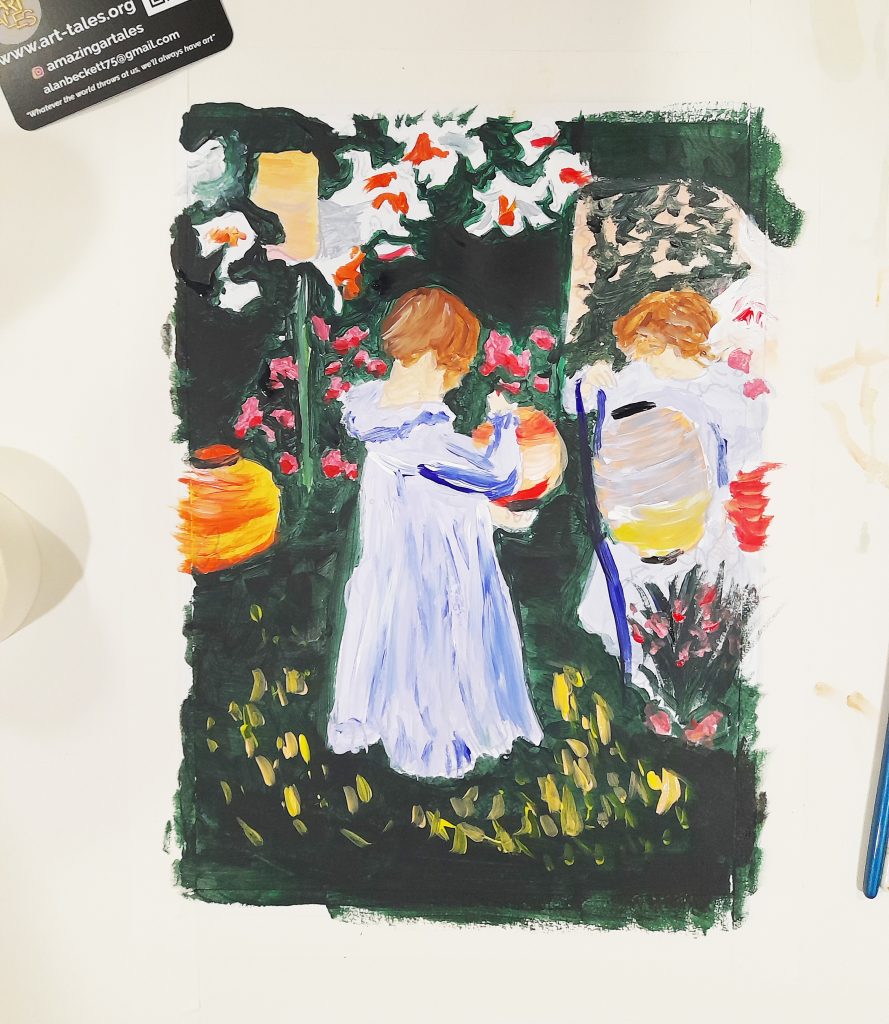
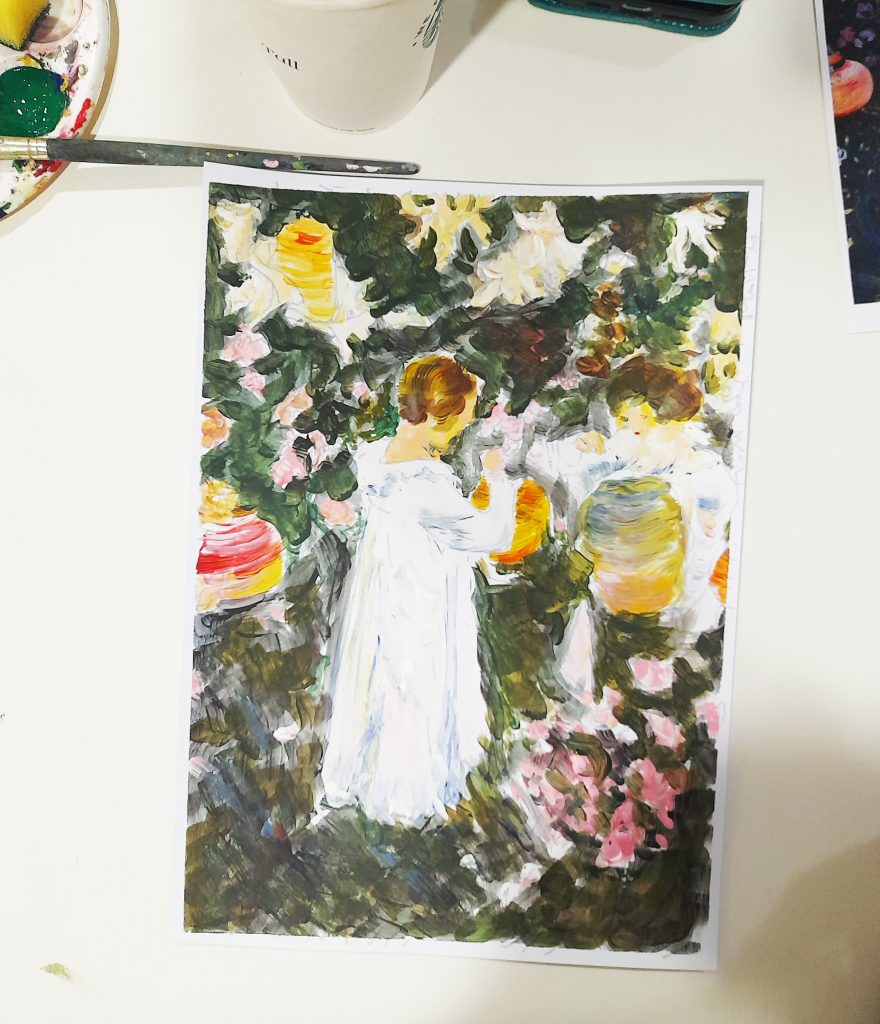
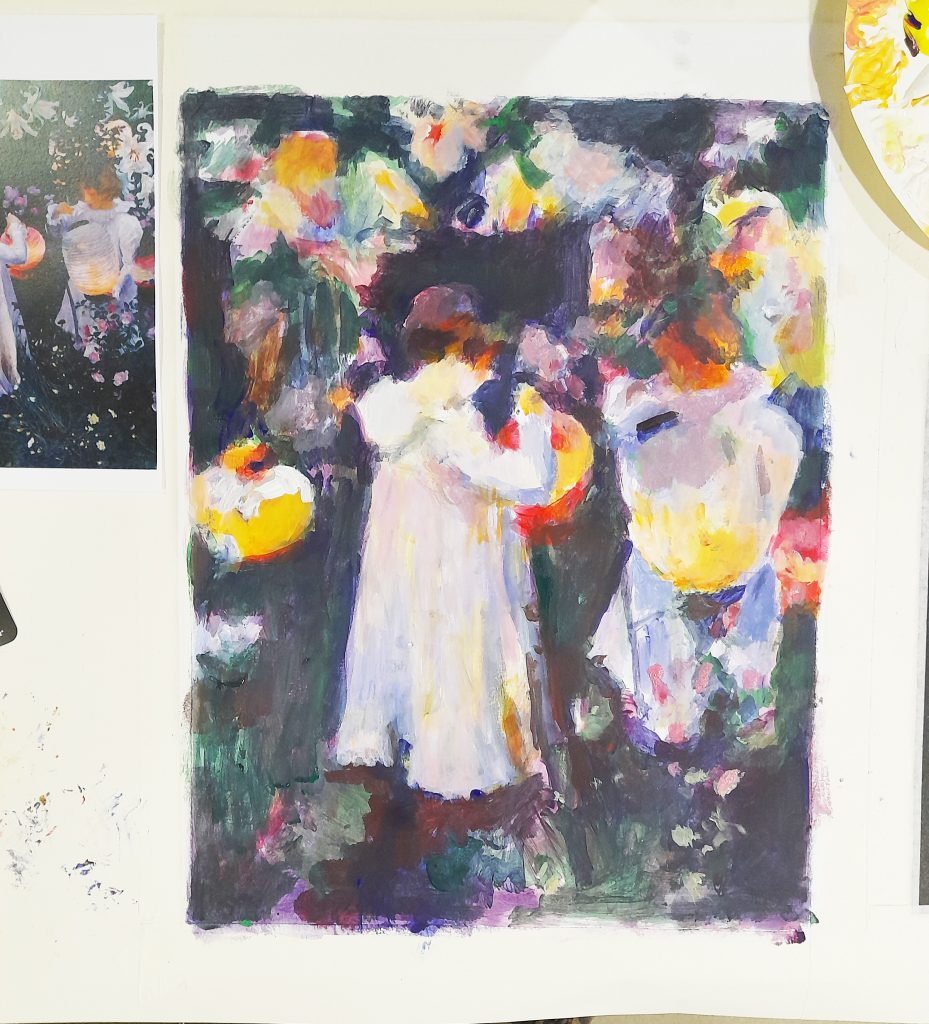
Fantastic evening at Winchester’s ARC where artists enjoyed creating their own versions of some of John Singer-Sargent’s most iconic works.
The event was a sell out and we even had people turning up without prior bookings – but no problem – we fitted them in.
After a brief illustrated talk on JSS and the works we were studying this evening, off we went with paint, canvas, water and wine with eclectic music playing in the background. A thoroughly enjoyable evening for all.
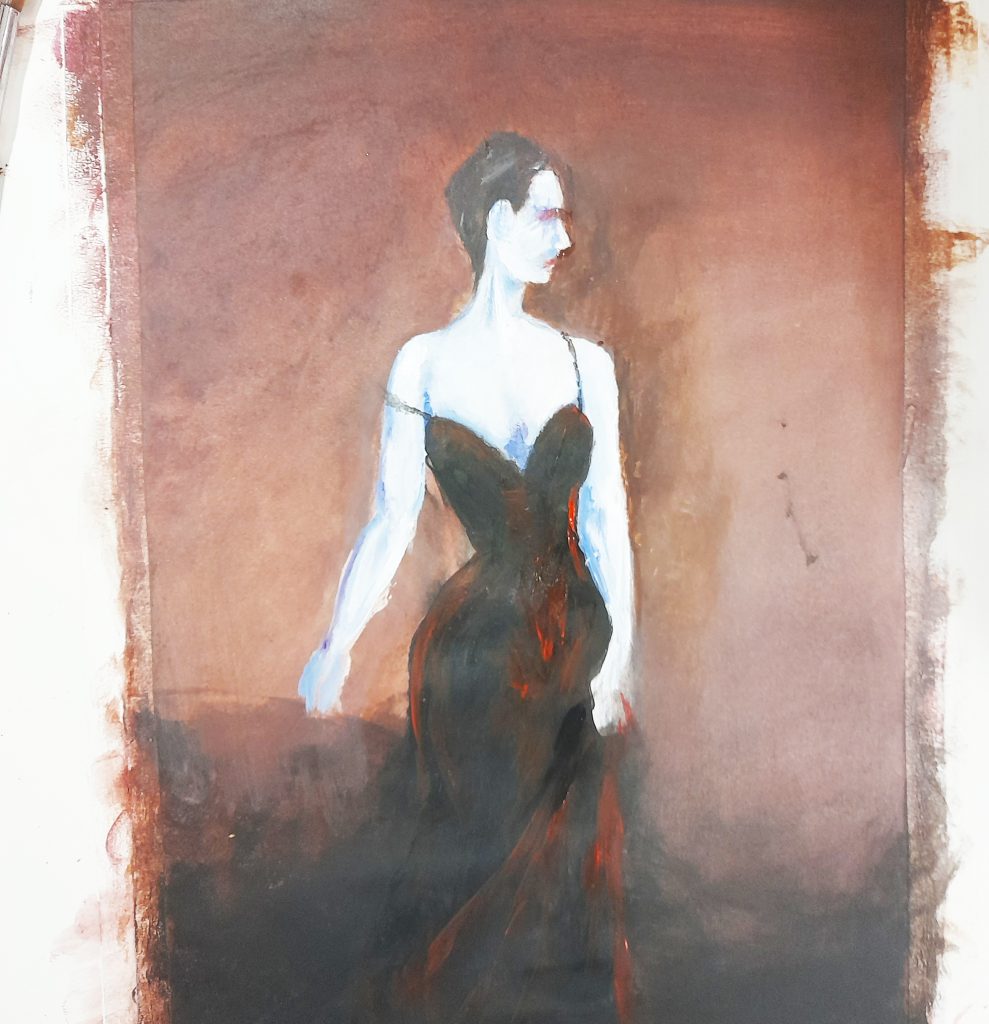
It was a huge scandal. It shook the polite society. It was unheard of. It was totally controversial. It was hypocritical. Madame Gautreau’s portrait showed her with one of her dress straps slopped off of her shoulder. Scandal at Paint & Sip Winchester
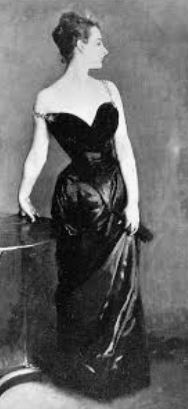
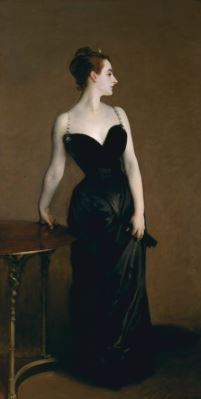
The portrait known as ‘MADAM X’ and the artist, John Singer Sargent. The location, Paris and the exhibition the Salon 1884. Society was shocked and Madam X’s reputation never recovered.
Singer Sargent was made to paint the fallen strap back onto her shoulder, but not until after the exhibition. His reputation was damaged and to recover her took to the hills in the English Cotswolds. Broadway.
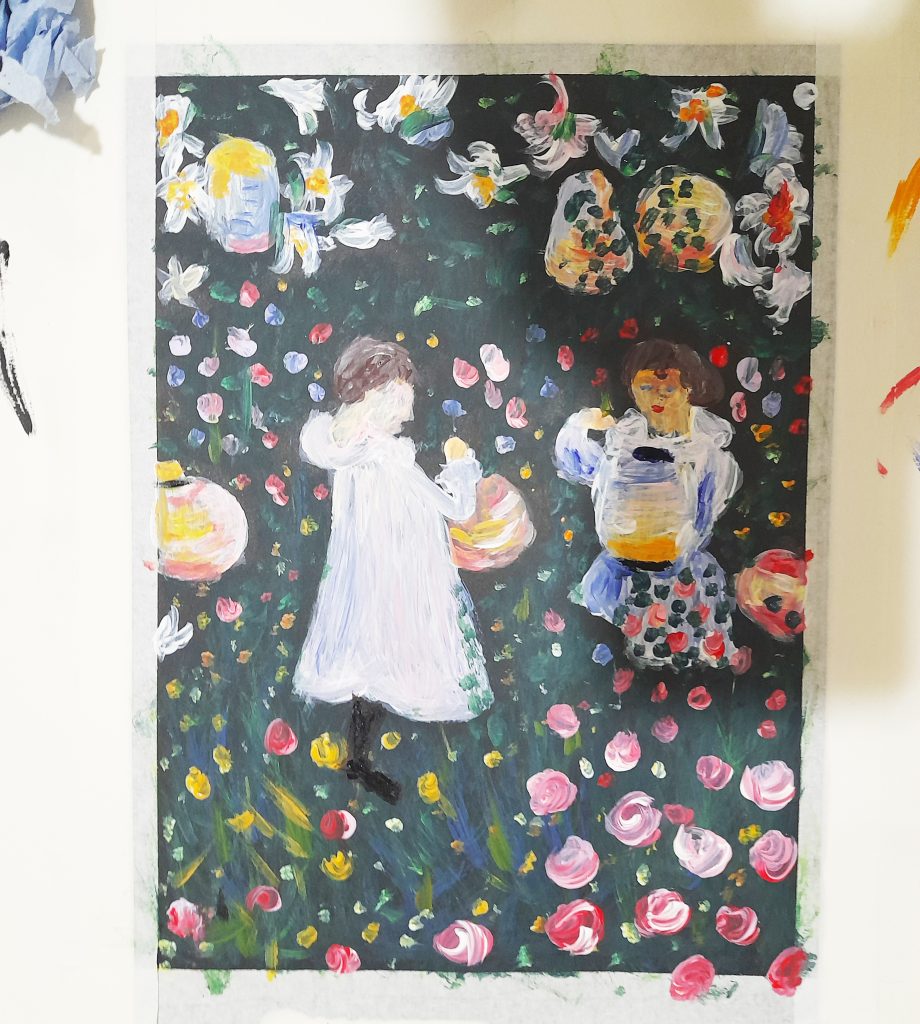
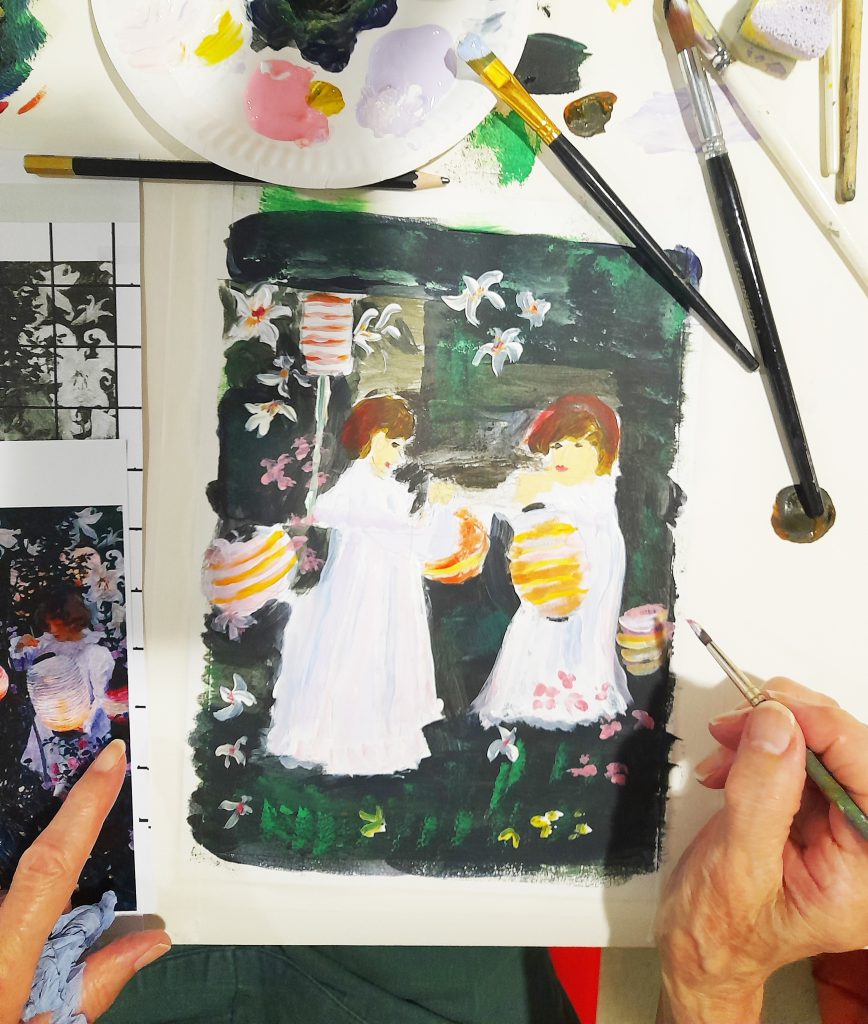
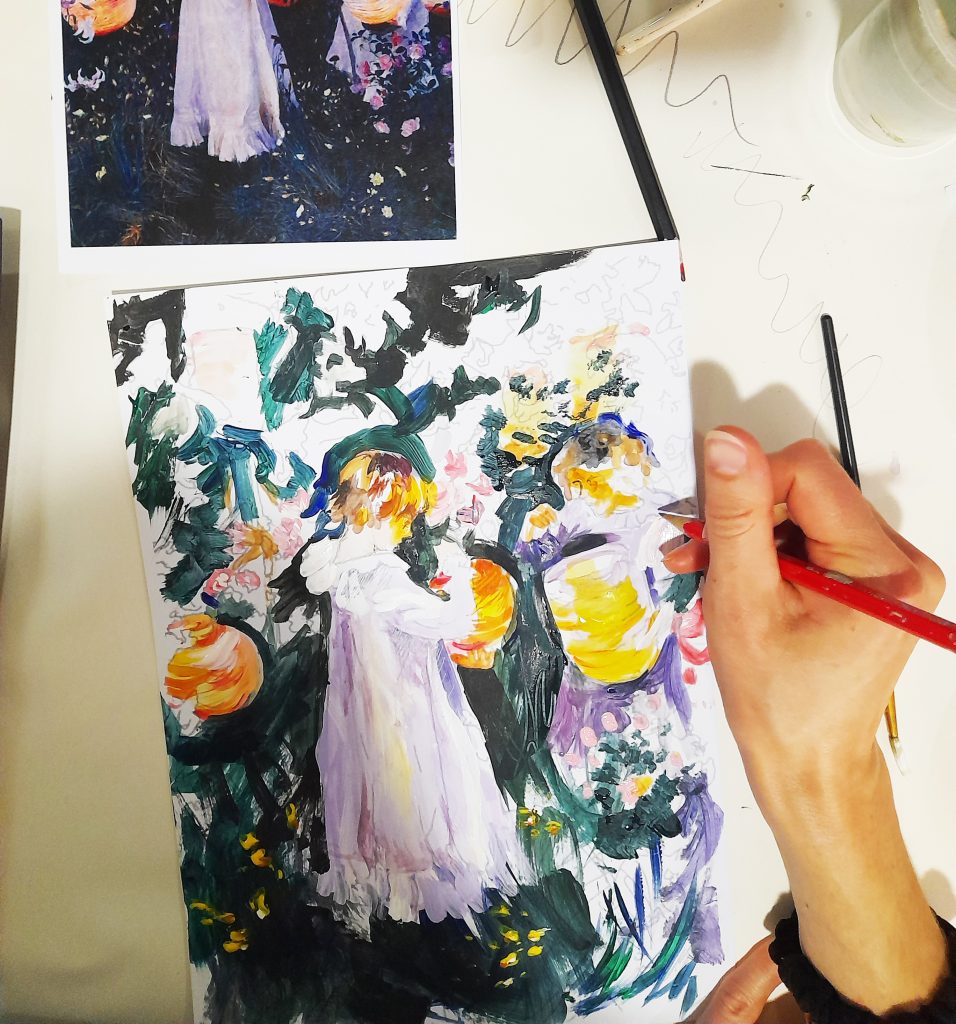
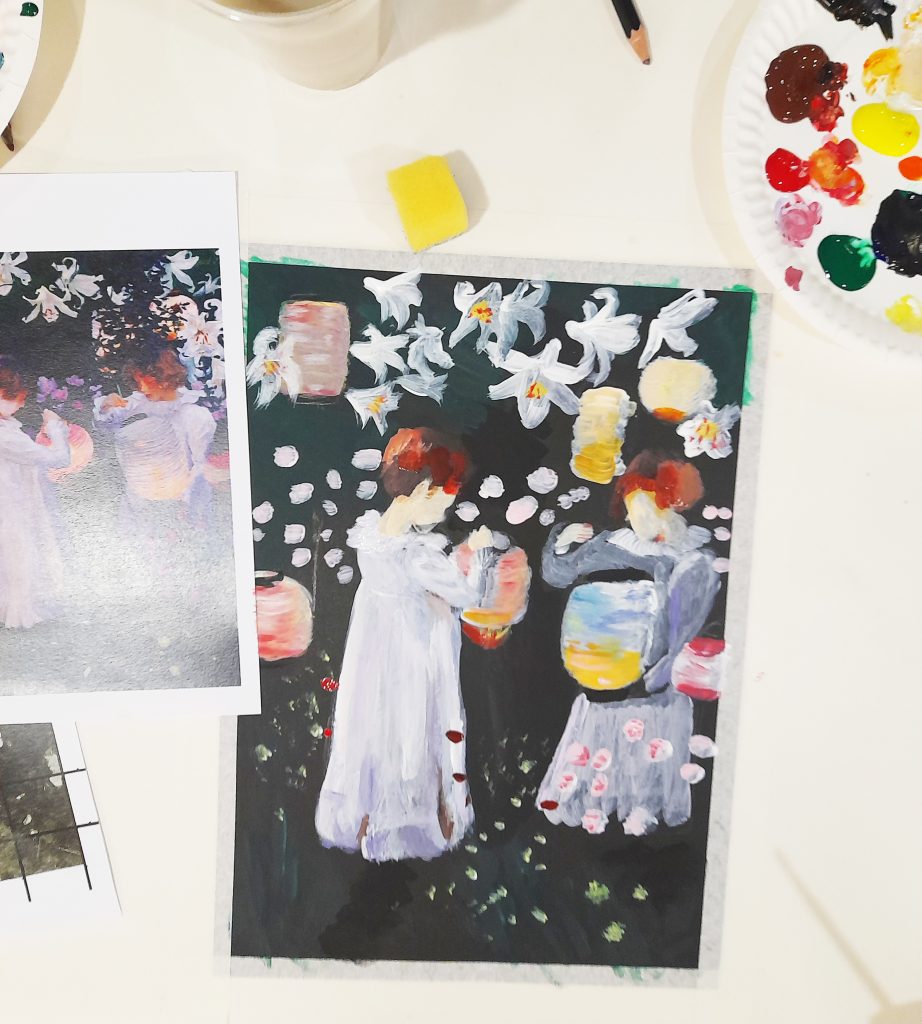
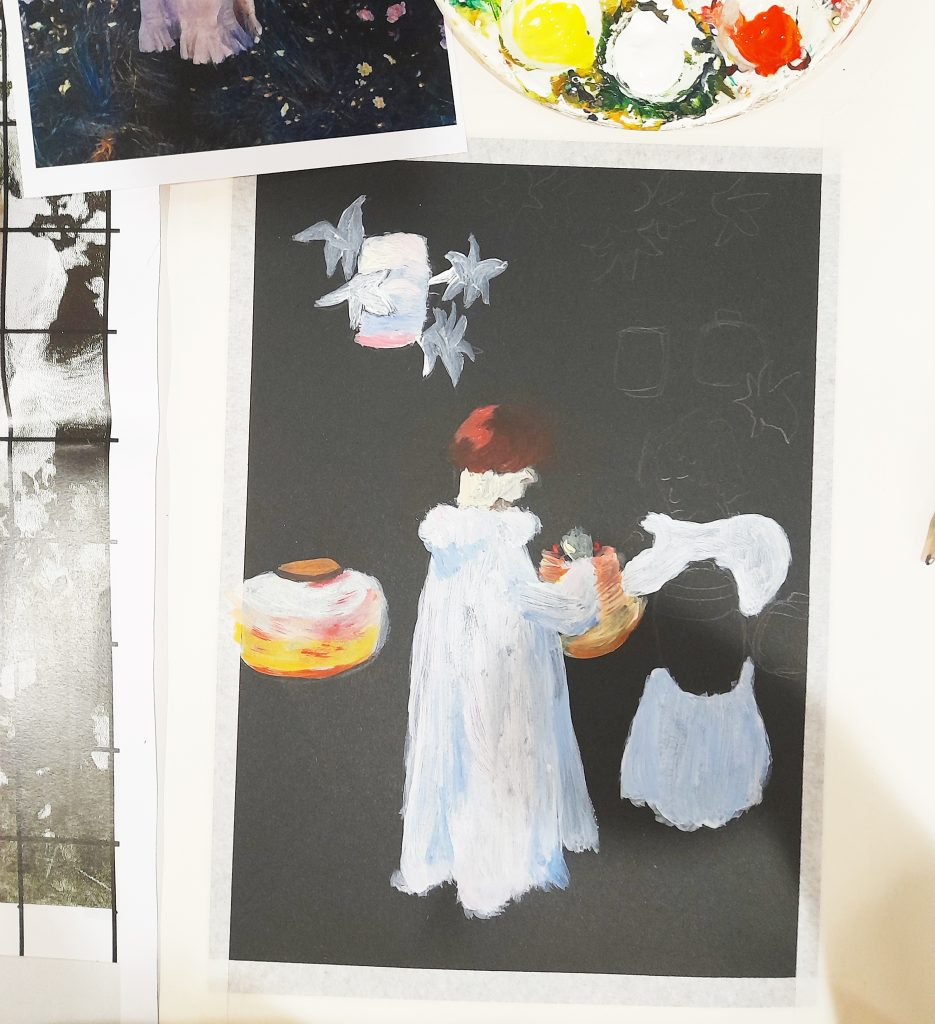
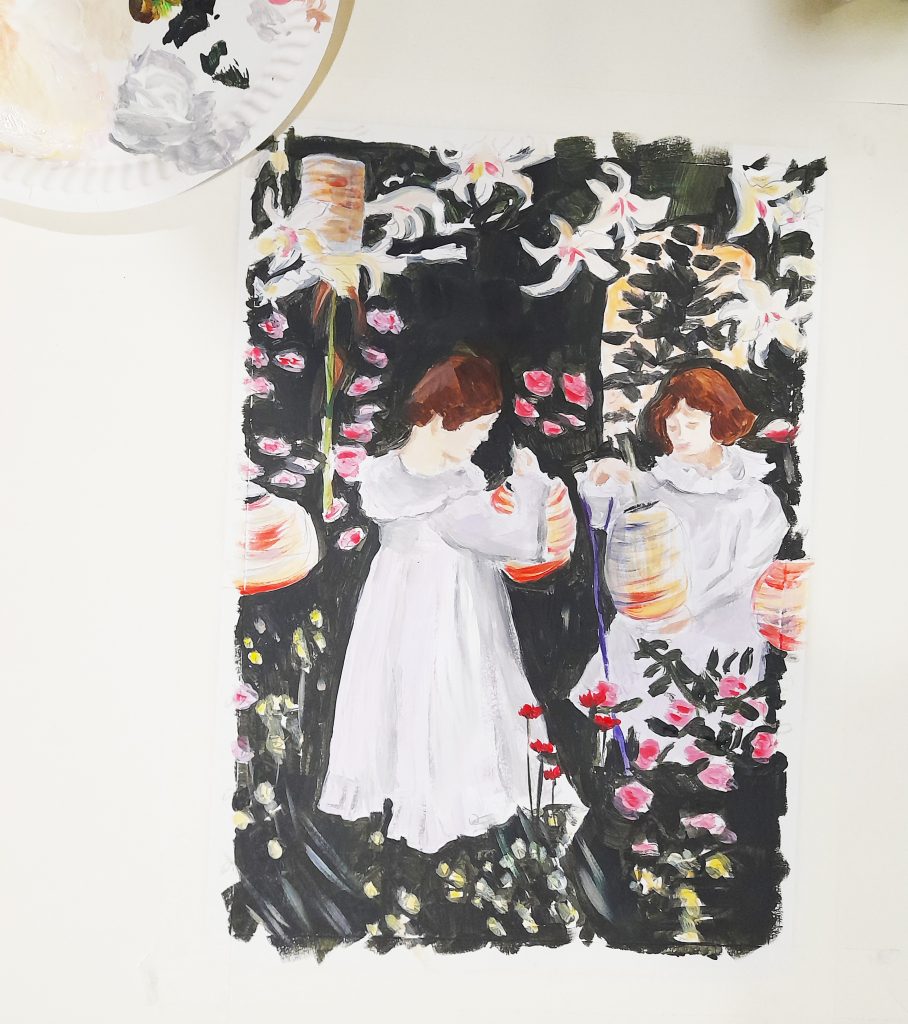
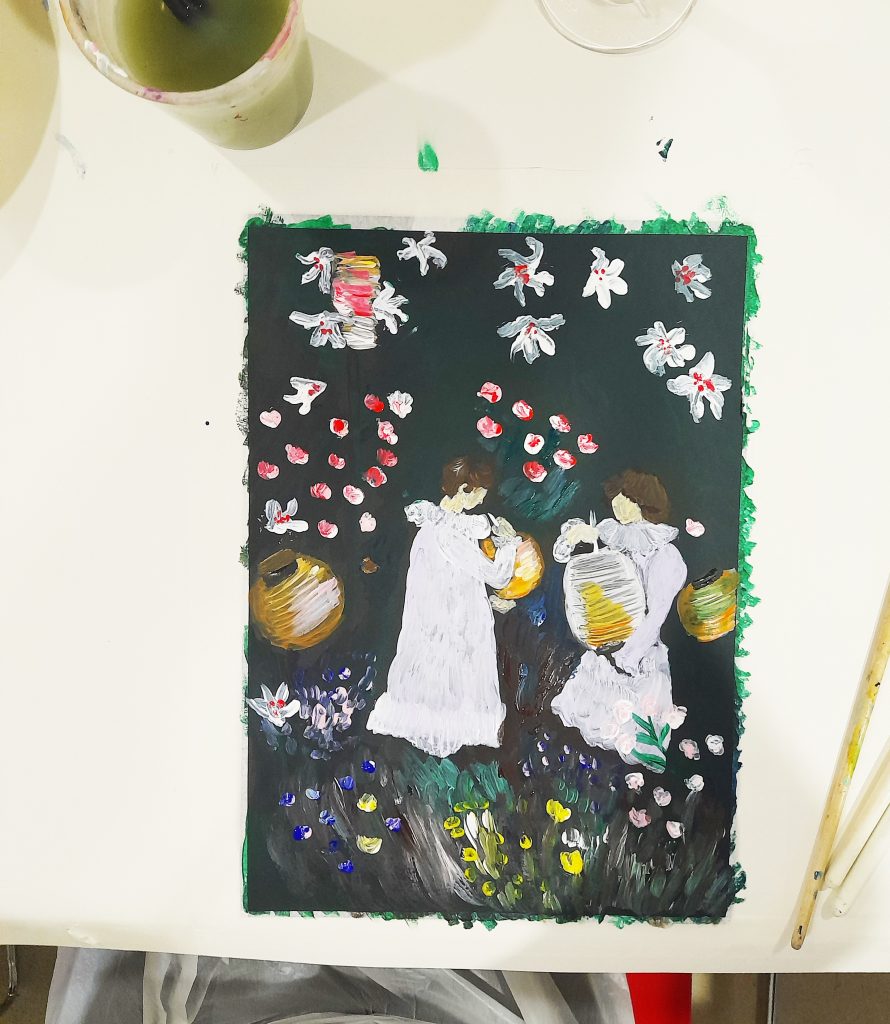
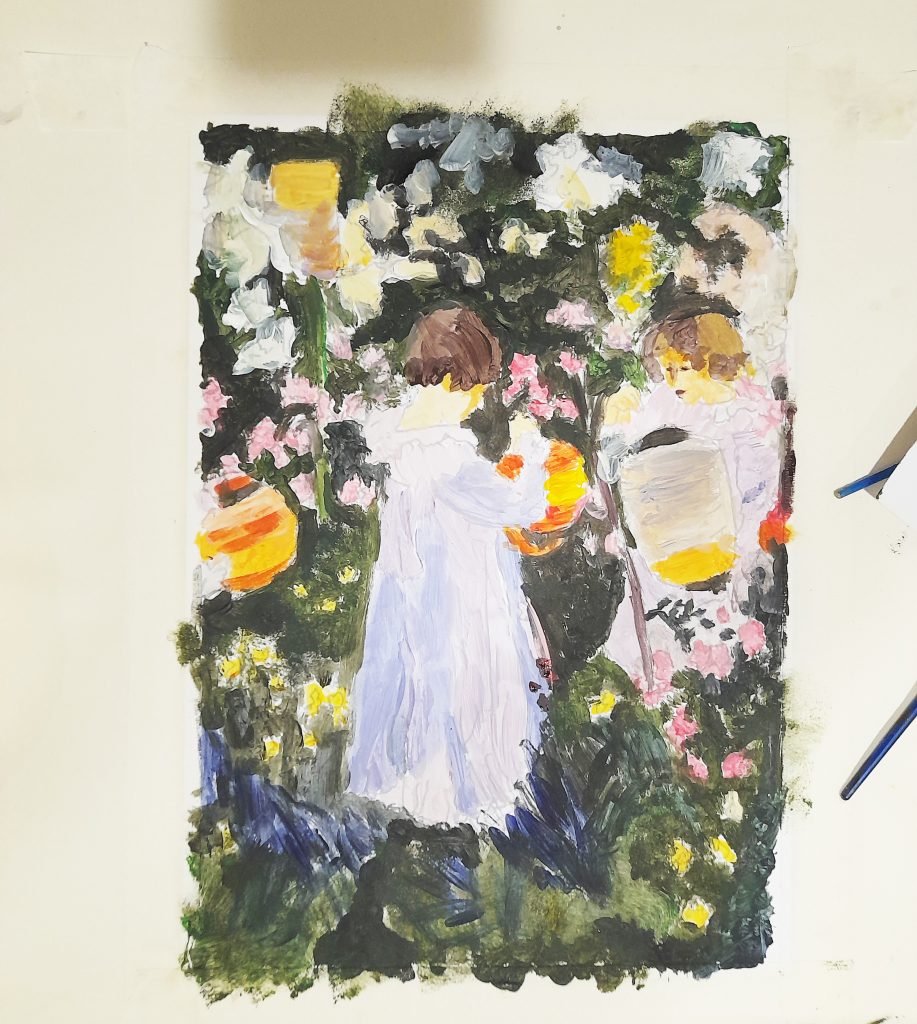
It was in Broadway, staying with friends that he painted his first major success, ‘Carnation, Lily, Lily, Rose’ and this work was immediately brought by the Tate and in so doing, helped to re-establish the artist’s reputation.
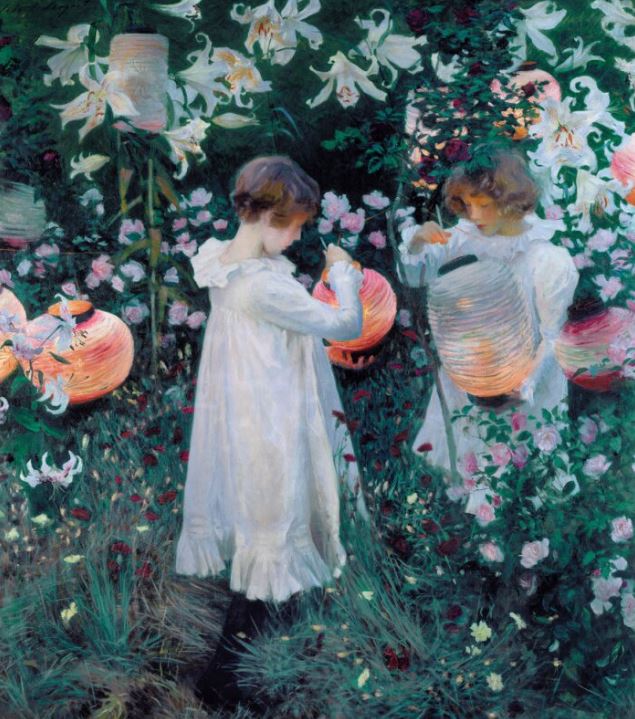
John Singer Sargent was particularly known for his portraiture. He was sought after by society in London and Paris. Born in Florence to American parents he was trained there and Paris before moving to London, living most of his life in Europe. He enjoyed international acclaim as a portrait painter.
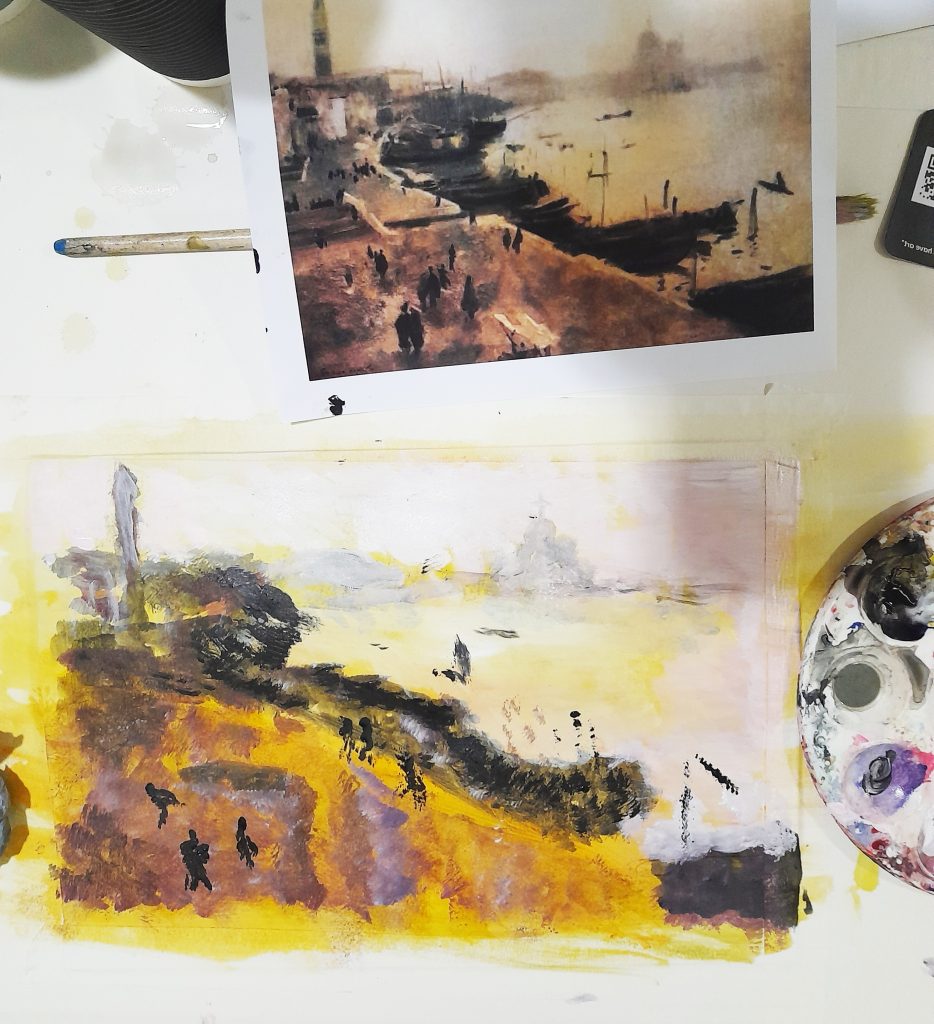
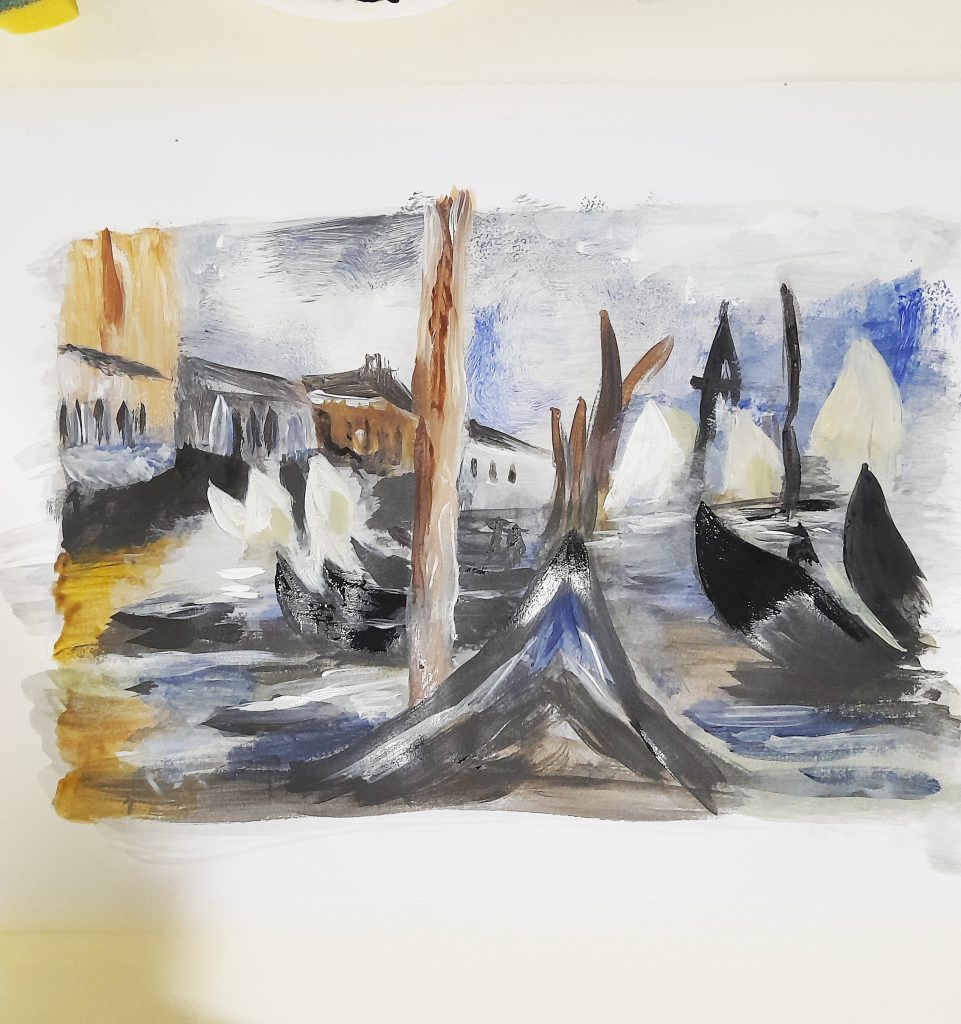
Before his notorious fame began with Madam X, Singer Sargent spent some time in Venice where he painted a number of scenes of that city. Not particularly well known, they nevertheless embraced the influence of the rising popularity of Impressionism.
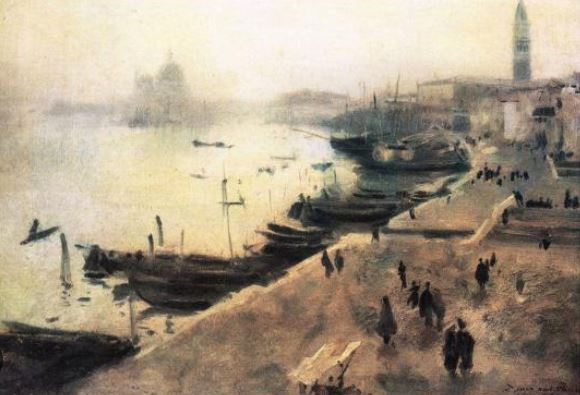

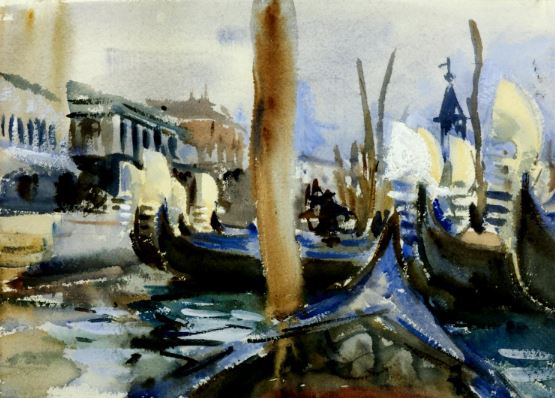
At the Paint and Sip evening at Winchester’s ARC, we’ll be working on two of Singer-Sargent’s works, the iconic ‘Carnation, Lily, Lily, Rose’, and one of his lesser well know scenes of Venice, for artists to choose which to enjoy or of course both.
Scandal at Paint & Sip Winchester
JSS tired of painting to please others, closed his thriving portrait studio in his 50s to follow his heart’s calling – proving it’s never to late to make a fresh start.
At the turn of the 1900s JSS had it made. As one of the most sought after portraitists of his time, he was flooded with commissions from affluent, aristocratic, fashionable people on both sides of the Atlantic.
In short he was a superstar and he was sick of it.
Sargent thought that portraiture was constraining him artistically and his demanding clientele certainly didn’t help.
“No more Paugh-traits” he wrote to a friend “I abhor and abjure them and hope never to do another especially of the upper classes”.
So around 1907 he shut up shop in the portrait line.
Now free to follow his creative instincts Sargent travelled to picturesque sports around the world painting landscapes with the same energetic technique that made his portraits come alive.
But these weren’t typical landscapes “Enormous views and huge skies do not interest me “. Instead he would concentrate on a small clump of trees or a set of rocks on the ground.
Despite leaving portraiture behind, Sergeant didn’t stop painting people. He produced some compelling informal figure studies in this new era of exploration.
Sargent’s decision to stop doing what the world expected of him might have seemed foolish or ungrateful but in reality it allowed him to spend his later years doing what truly brought him joy.
Timeline
Venice scenes – 1882 and post 1907
Madam X – 1883/4
Paris Salon – 1884
Carnation – 1886
Main portraiture era – 1900 – 1907
Just to round off…JSS painted towards the end of his life this iconic image from WWI ‘Gassed’.
It wasn’t all society portraiture with him …