
Art, broad beans or gym?
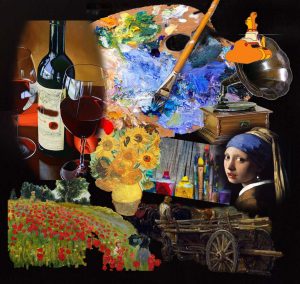
Art, whether paintings, drawings, sculpture or music possesses a unique capacity to elevate the human spirit. With the visual image it could be devotional, mythological, religious, secular, a still life or a picture with a narrative.
Art captivates, provides an escape from the routine of daily life inviting engagement with deeper emotional experiences. It can prompt introspection, perhaps reconsider what may be relinquished, and influence personal guidance in belief systems and values, thereby shaping one’s interaction with the world.
Contemporary research indicates that involvement in the arts can offer the brain the equivalent of a full body physical workout, but without the sweat. Digging into biological science, art has effects on the mesolimbic neural circuit which is the neuro-chemical function in the brain that keeps us involved with the world through releasing dopamine reward systems.
Dopamine is the neurotransmitter and hormone essential for our brains to function. It acts as the feel-good messenger regulating pleasure, reward-driven motivation, memory and cognition, our mood, motor control and even co-ordination.
Dopamine physiological processes regulate blood flow, digestion and insulin control. Low dopamine can result in depression, fatigue, inability to feel pleasure, brain fogging and low motivation.
Thus, experiencing the arts can deliver all these wonderfully positive physiological and psychological effects. Looking at a masterpiece of art, listening to a wonderful piece of music, an aesthetic pleasure is arrived at riding on a wave of dopamine. Art is stimulating the release of dopamine in a sustained and measured way that outclasses drugs to achieve the same effect.
Combine these thoughts of the dopamine effect with the power of the social environment when people come together to individually within a group or work collectively, to create art.
Contrary to the stereotype of the solitary artist working in the frozen garret, artists who participate in collective endeavours often experience companionship and mutual support, enhancing both their creative outcomes and overall well-being.
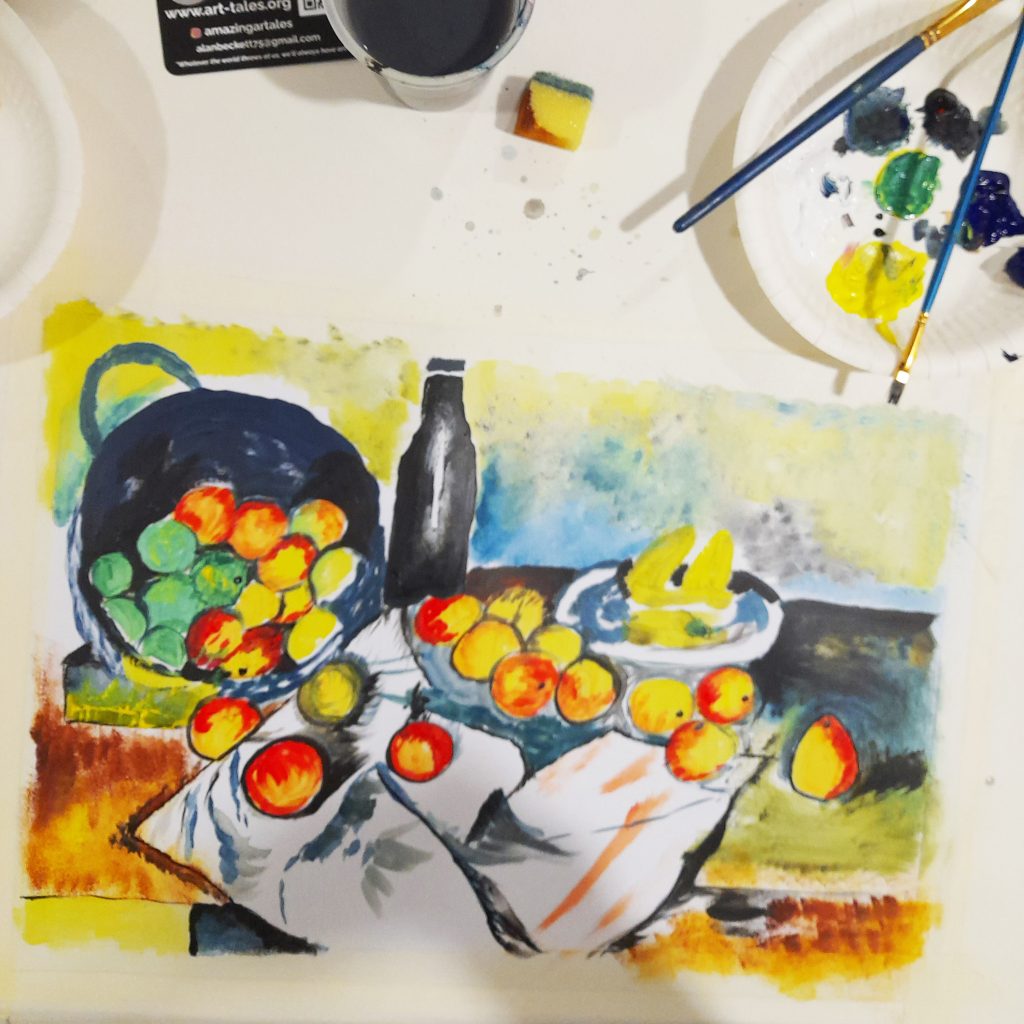
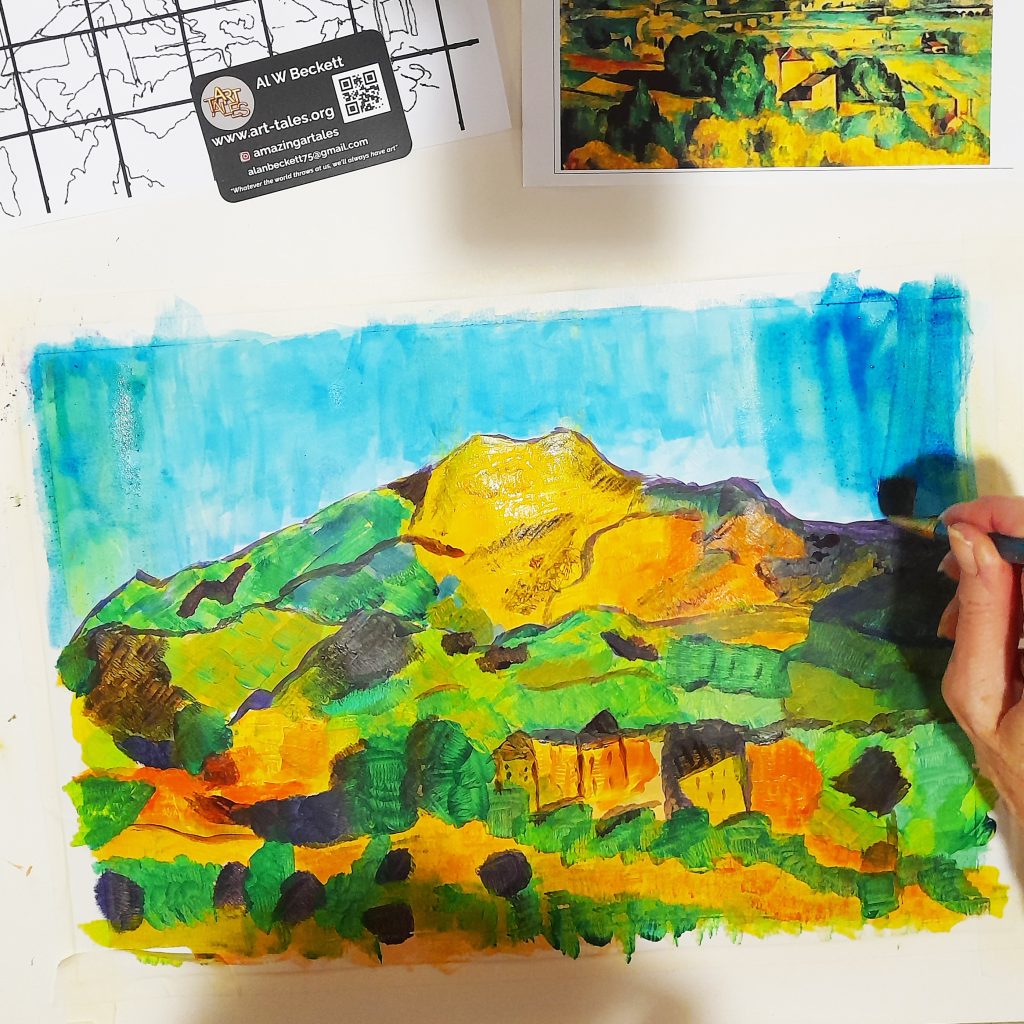
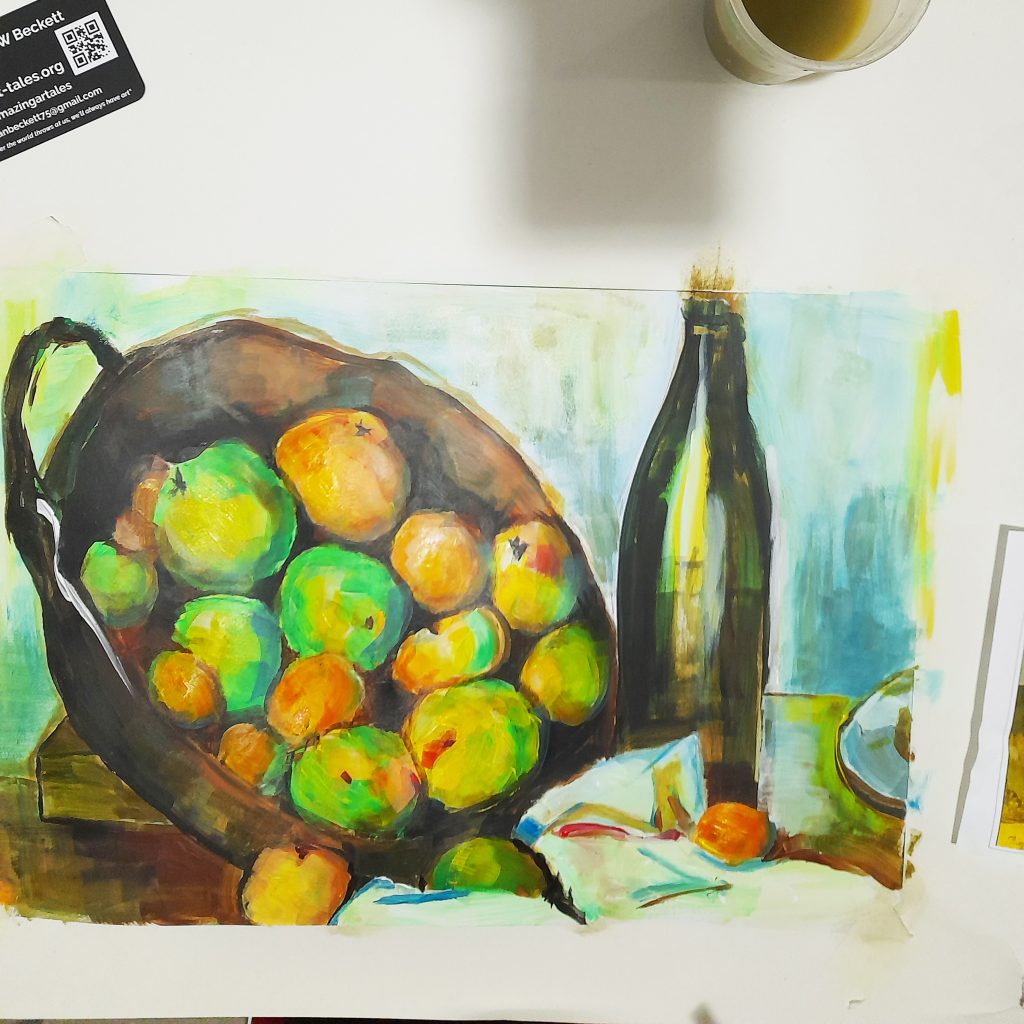
The shared creative process fosters a sense of community, mitigates against loneliness, and reinforces self-esteem through joint accomplishment. Participants frequently report increased resilience to stress, an enhanced sense of belonging and connection, and greater happiness, even from casual interactions within the group.
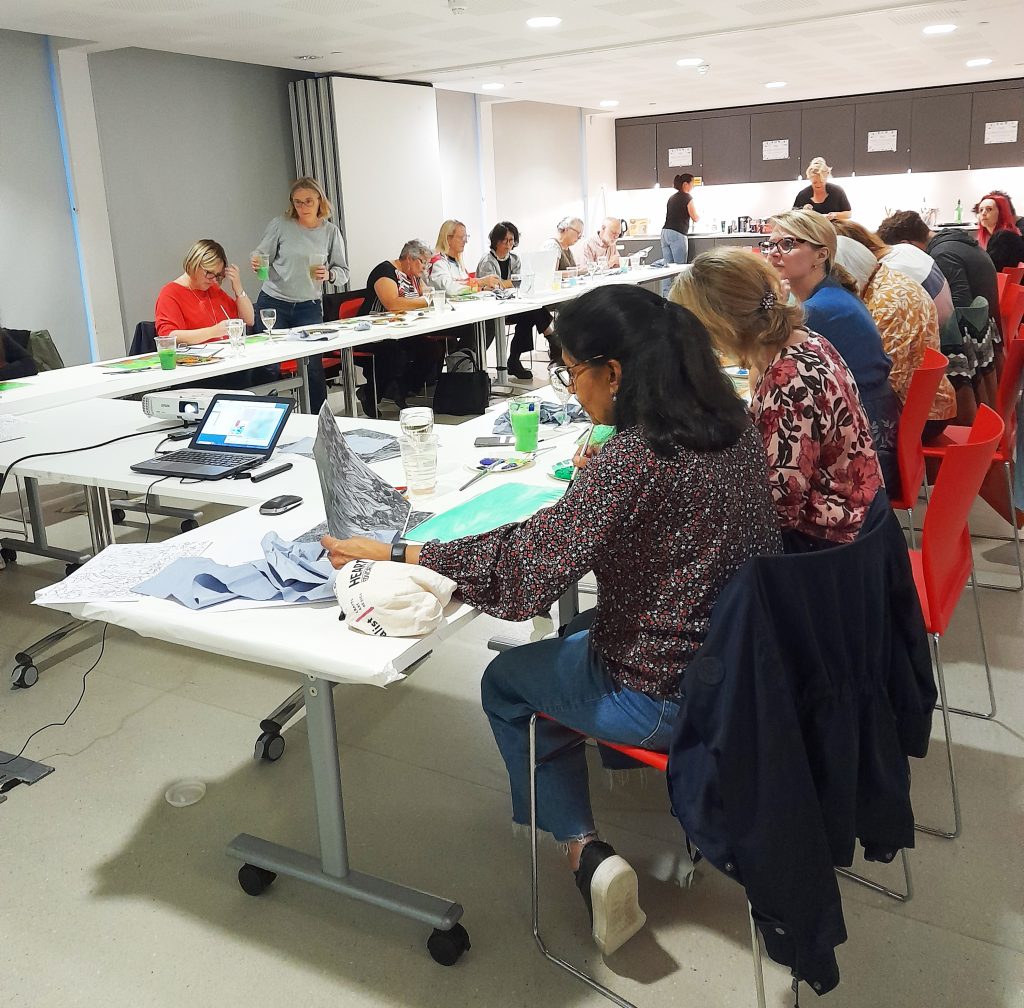
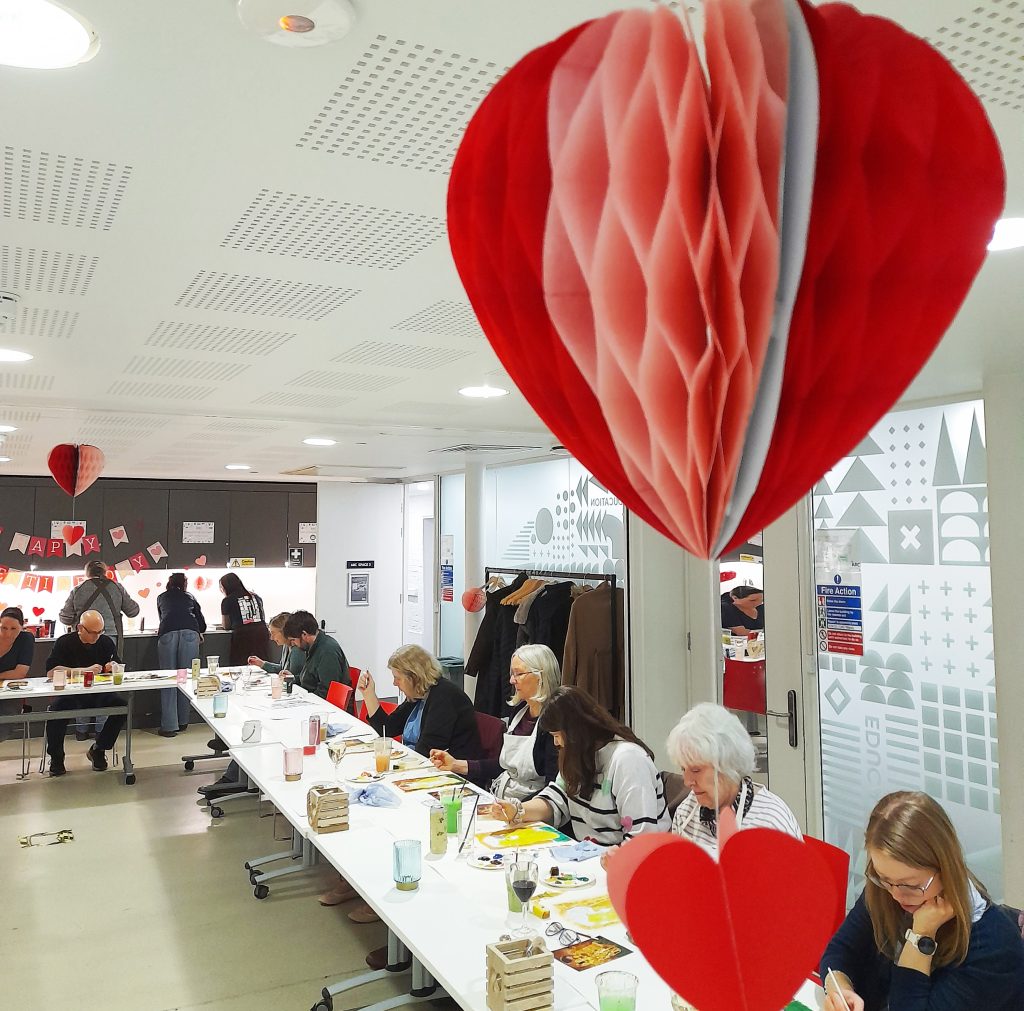
This is exemplified in practical art sessions such as “paint and sip” events. While primarily enjoyed by enthusiastic amateurs, these gatherings can also provide substantial value to aspiring professional artists.
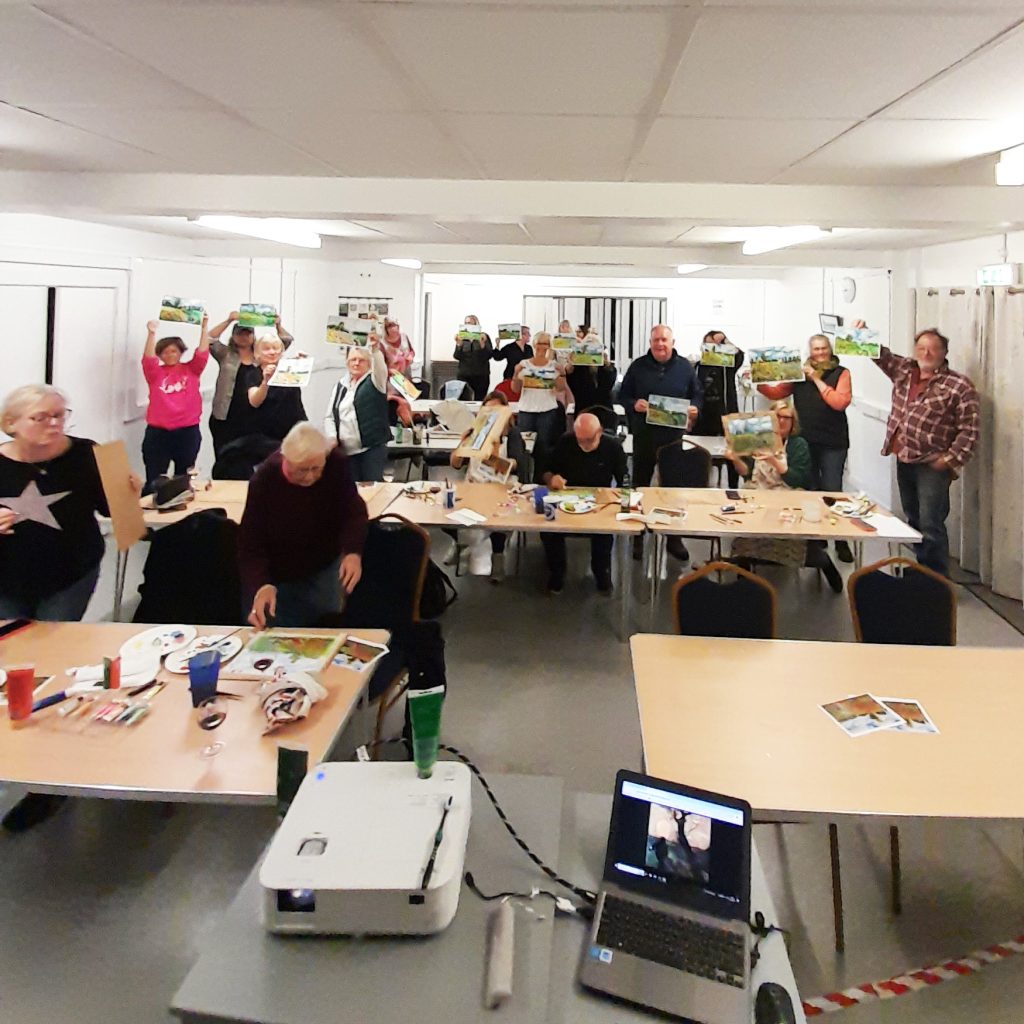
Paint & Sipevents bring like-minded people together in good fellowship to create their own interpretation of a particular artwork in a relaxed, social setting. All materials including canvas, paints, and brushes, are provided. Participants may work on a blank canvas or use supplied sketches and grid guides as a starting point. These events offer an inclusive, enjoyable atmosphere that encourages creativity, conversation, and shared enjoyment.
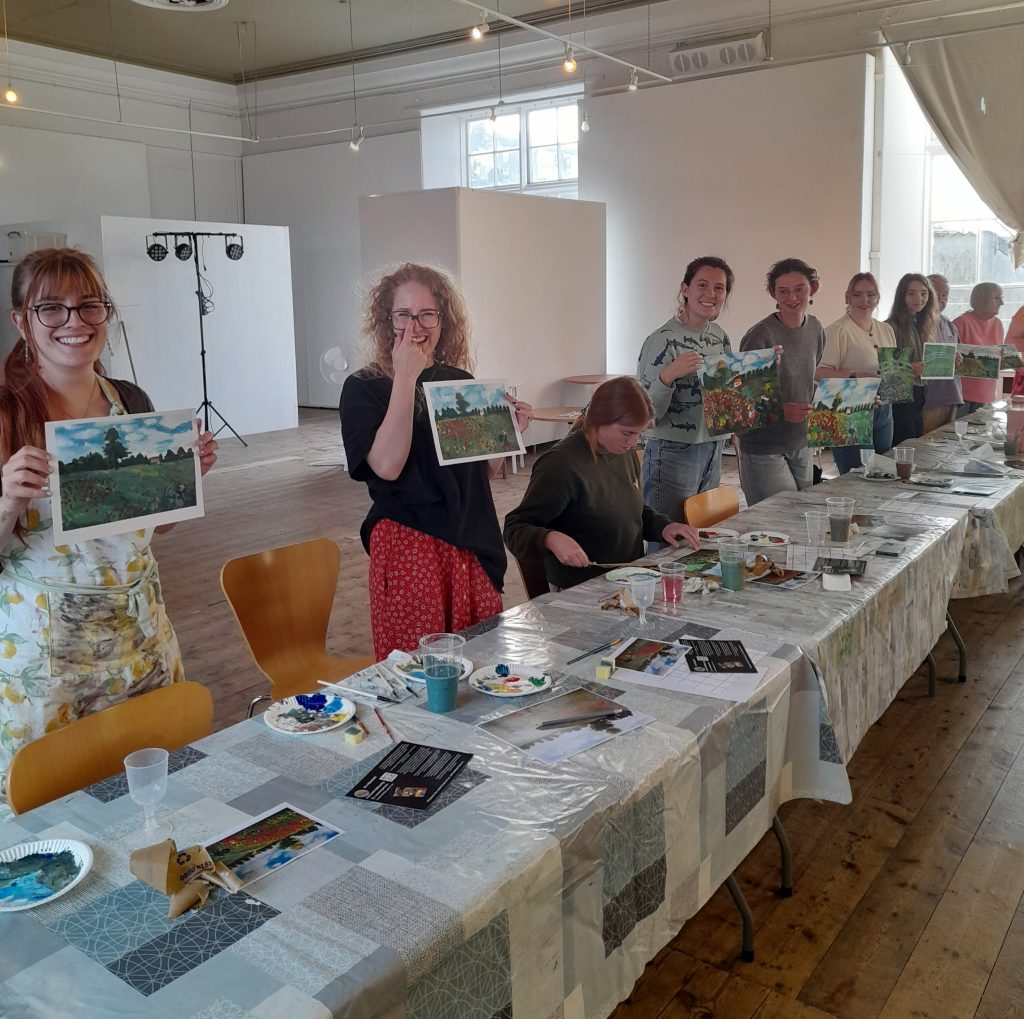
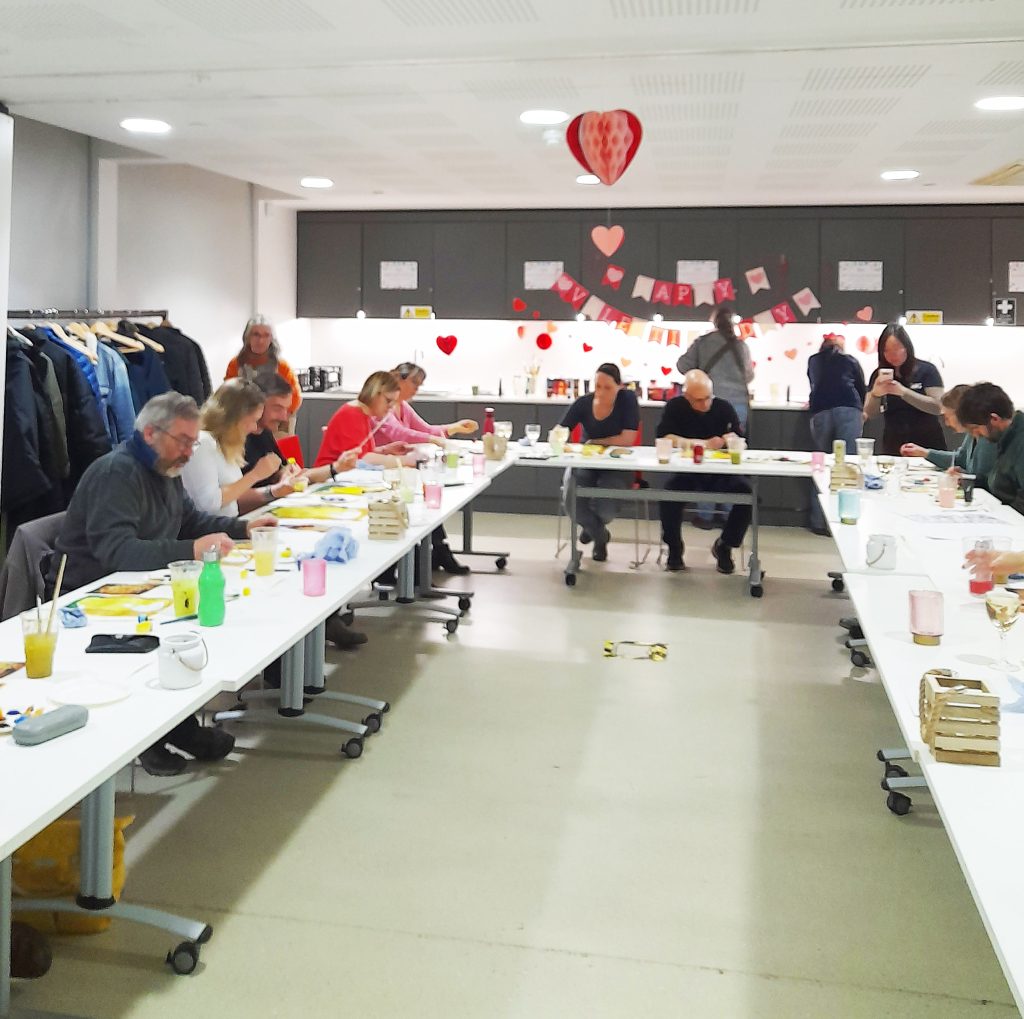
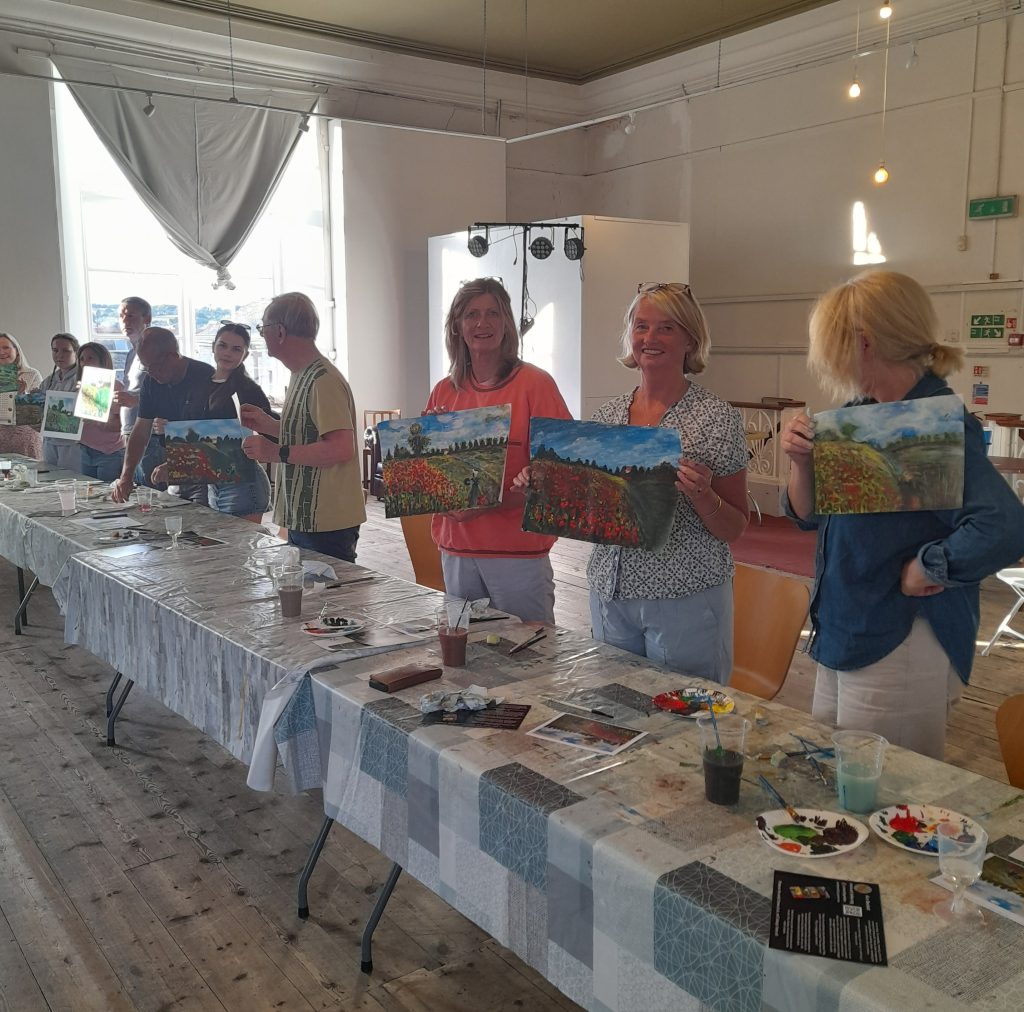
The experience is accompanied by carefully curated music, with wine or soft drinks throughout the session. Guidance is provided, ensuring that all attendees, regardless of skill level, complete a finished piece they can be proud of.
Art Tales has advanced this model by focusing on iconic masterpieces, enabling participants to engage directly with the world of fine art. By recreating famous works, attendees not only connect with the art itself but also with the legacy of the original artists. This approach fosters a unique bond with artistic heritage.
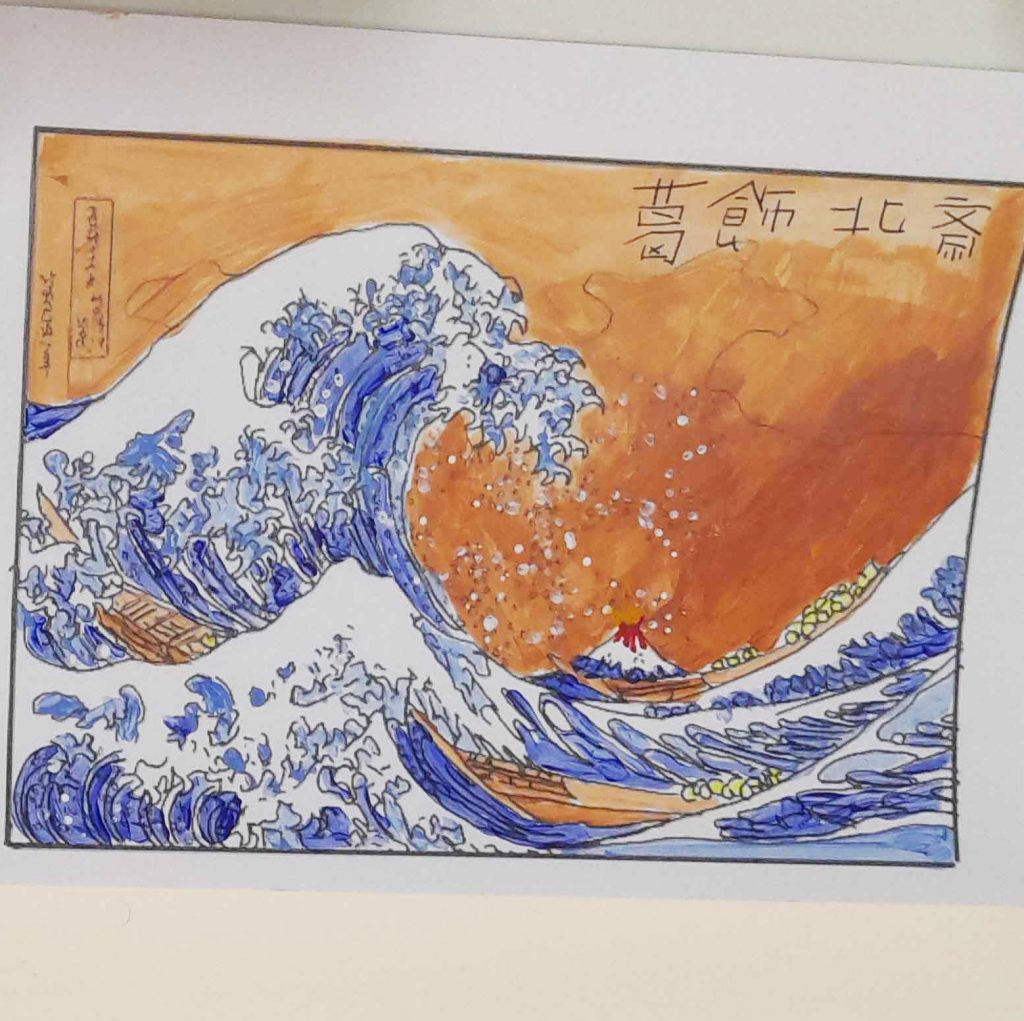
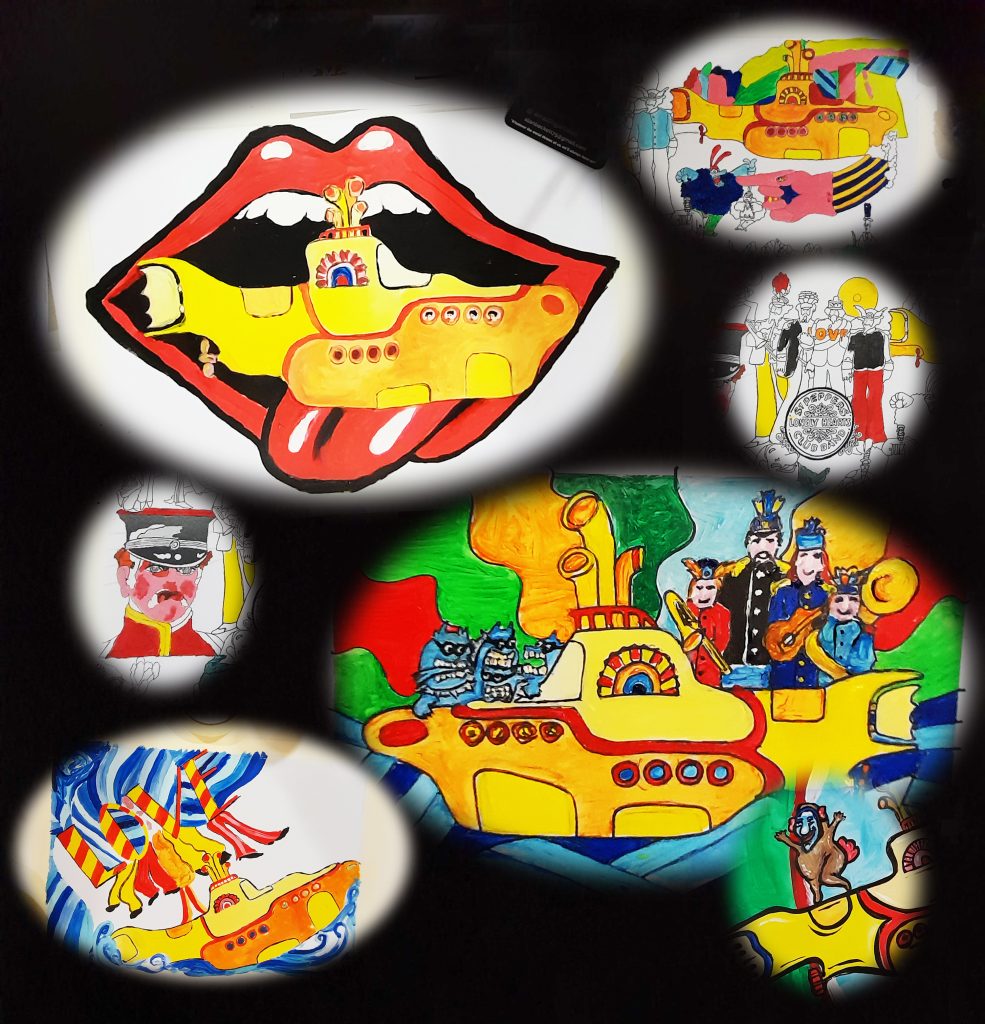
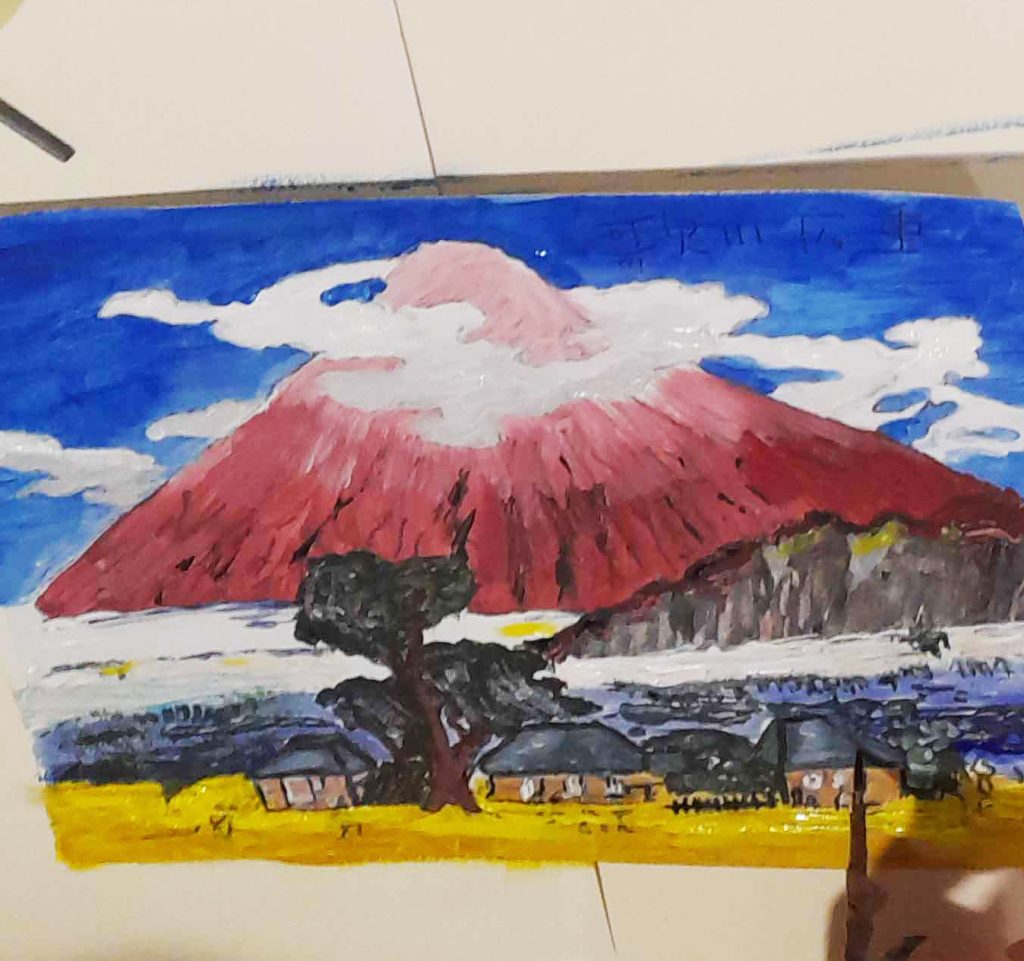
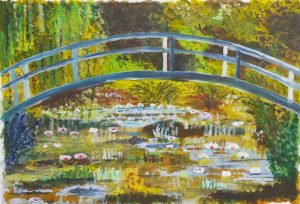
Art Tales is an organisation that aims to encourage involvement and understanding of the arts for fulfilment and enjoyment, through its blog magazine site, providing talks and lectures as well as Paint & Sipevents. Art Tales focuses on the stories behind pictures, how they were made, and their social, political, or economic contexts.
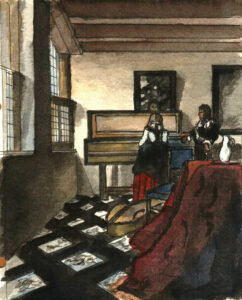
Immersing oneself in the recreation of masterpieces whether a van Gogh, Monet, Klimt, or even a Vermeer, encourages focused concentration, allowing external concerns to temporarily subside. This absorption affords participants renewed perspective upon returning to daily life, highlighting the intrinsic value of deep engagement with artistic creation and the emulation of historical masters.
To go home with their own creation of an iconic masterpiece, reinforces the participant’s pride, sense of accomplishment and dramatic release of well-being.
It is thought that artists and those indulging and nurtured in the arts can possess structurally ‘younger brains’ with more grey matter density which may even delay the onset of dementia.
At Monash University (a prestigious, research-intensive public university based in Melbourne, Australia) studies have found that those who regularly listened to music had a 39% reduced risk of dementia. And the Wisconsin Longitudinal Study of 10,317 people who graduated from Wisconsin high schools in 1957, the question was asked ‘how much art is enough?’. The answer was apparently 1 hour a week to give similar cognitive benefits comparable to vigorous physical exercise.

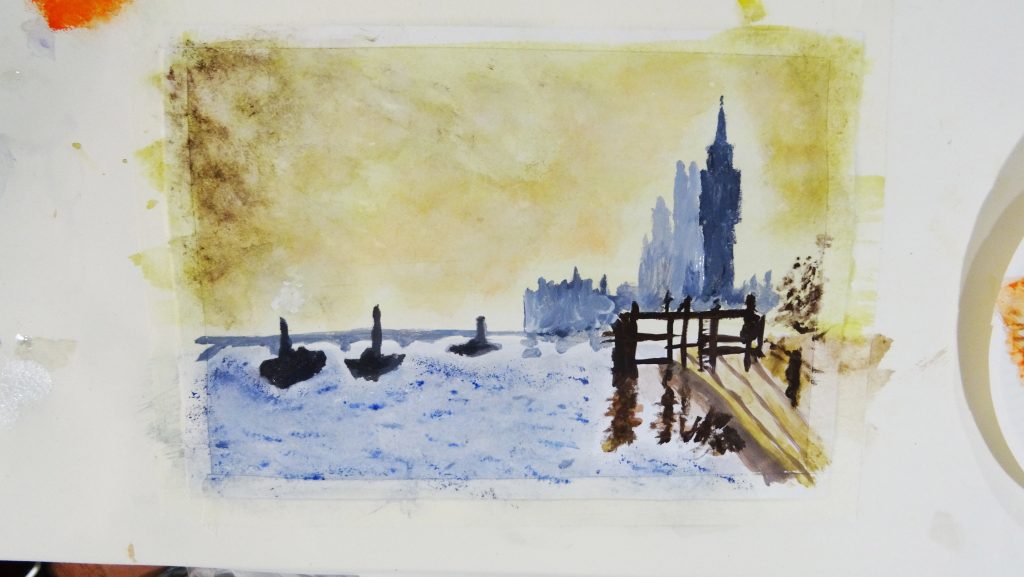
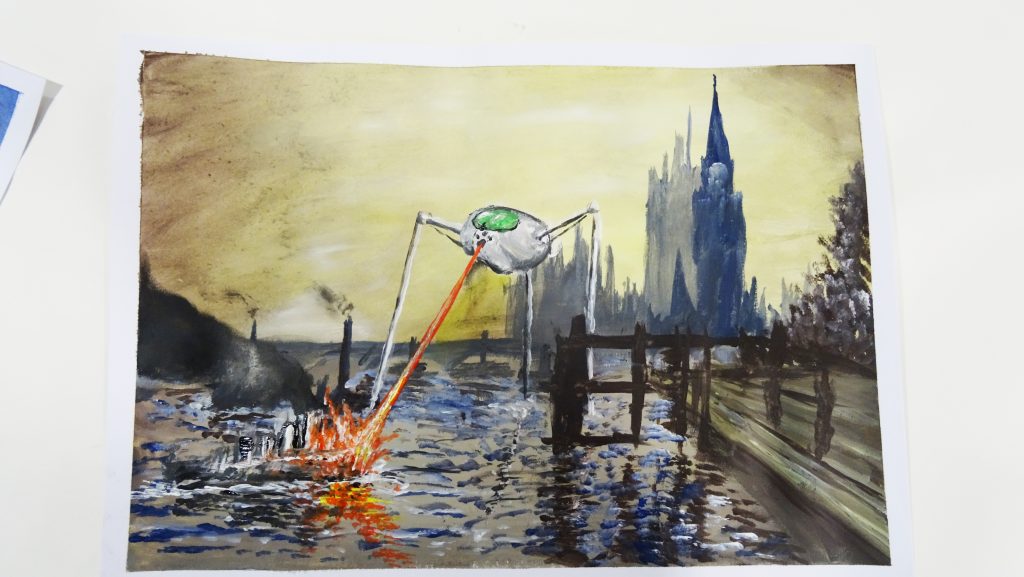
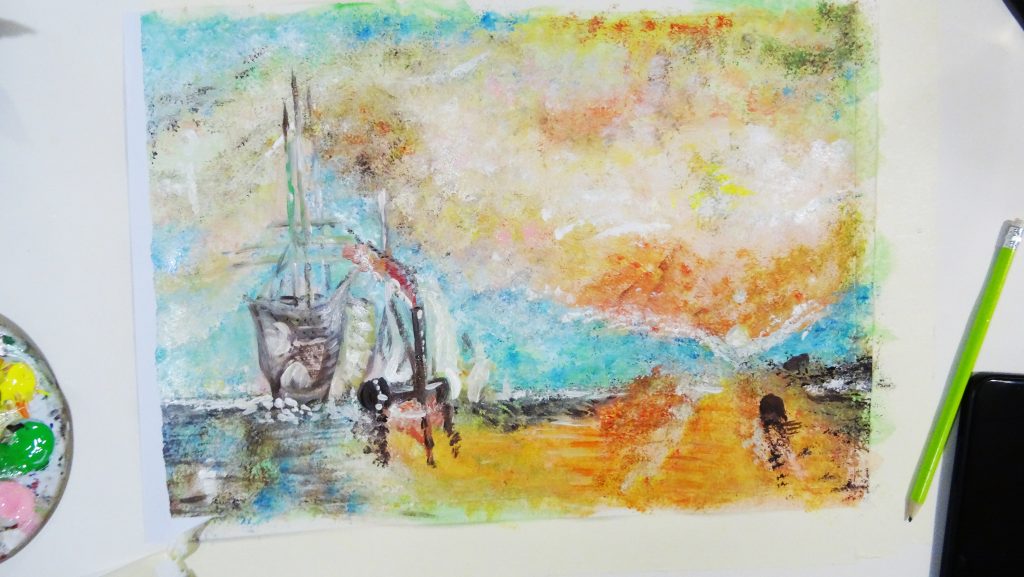
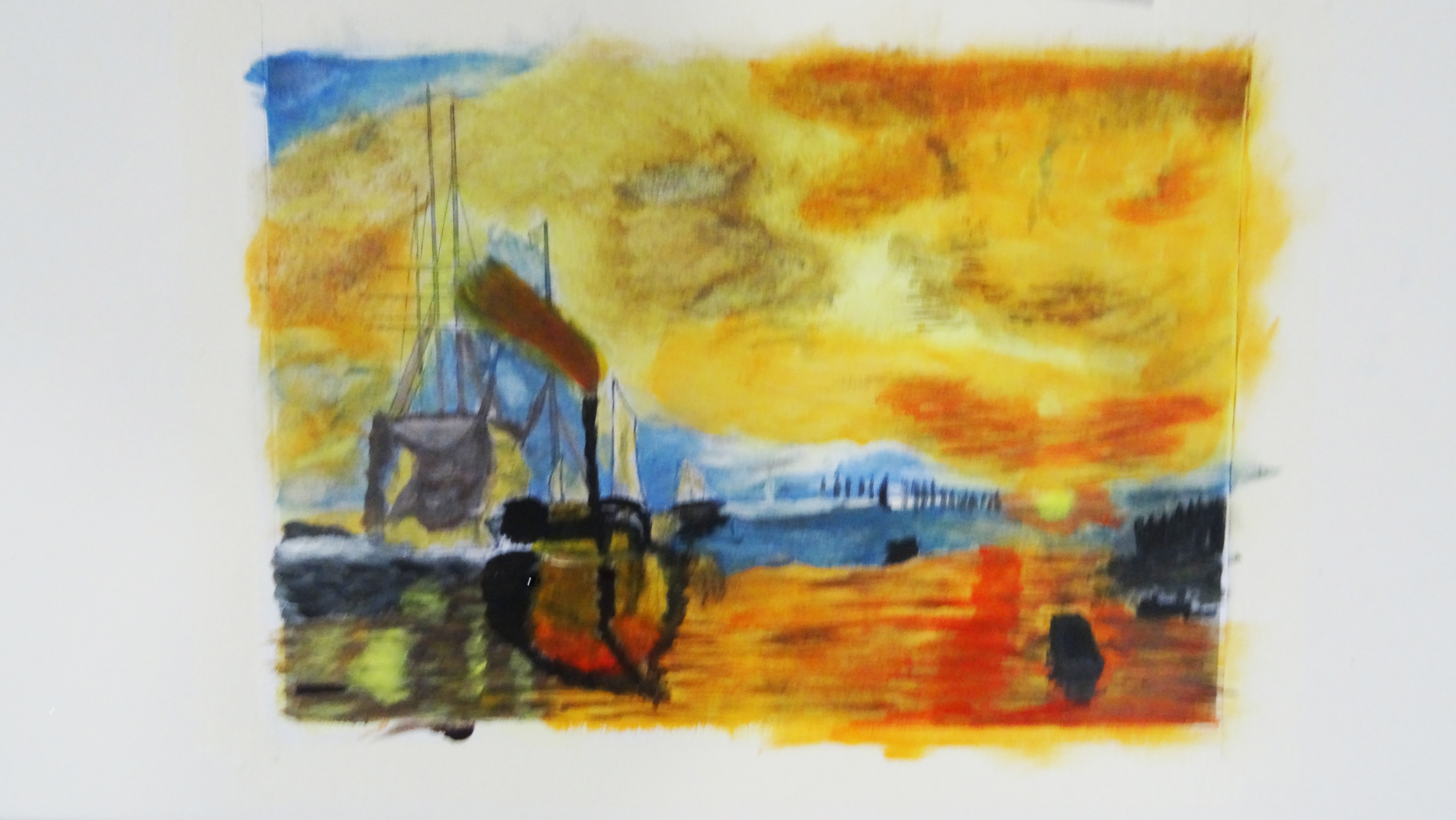
The European Fine Art Fair (Tefaf) in Maastricht March 2026, featured speaker Professor Daisy Fancourt, a leading expert on the intersection of arts, health, and science. Daisy Fancourt is a professor of psychobiology and epidemiology at the University College London and runs clinical trials testing the medical impact of the arts. The World Health Organisation (WHO) commissioned her to compile a report on the links between the arts and health.
In her book Art Cure, Professor Fancourt discusses the growing body of research showing that creative engagement in the arts: music, dance, visual art, can reduce the risk of depression, slow dementia, help Parkinson’s patients maintain motor function, and even slow biological aging.
Art is humanity’s collective narrative, giving knowledge and inspiration, comfort, assurance and challenges. Art is not a by-product of social development, but one of the original elements that form a society. This is clearly evidenced in Art Tales’ Paint & Sipsessions giving friendship, collective purpose, warmth, encouragement and a deep sense of self-fulfilment and worth. And a respite from the world outside.
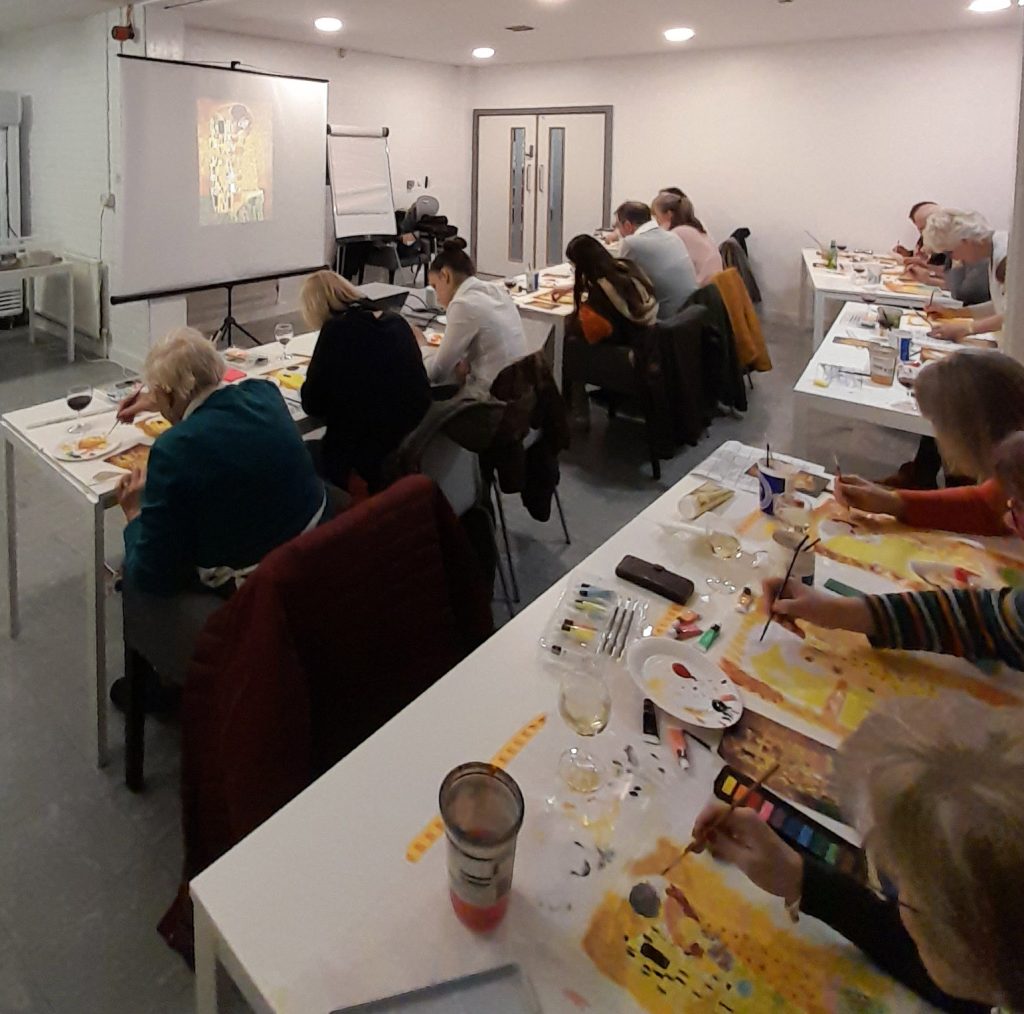
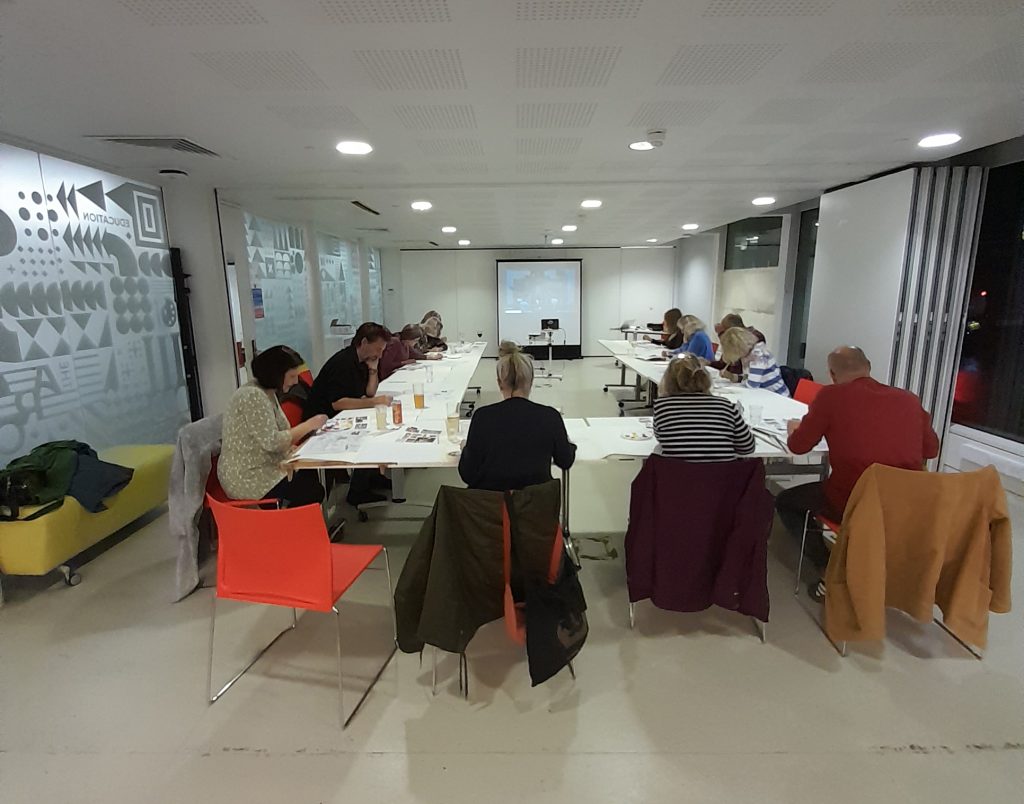
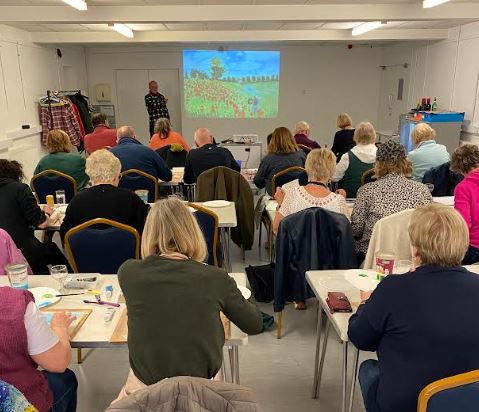
Just imagine the impact that combining the social setting of Paint & Sipcan have on the tsunami effect of the release of dopamine, especially when the event is enjoyed against a background of eclectic music to suit all tastes and with the participants experiencing glowing self-esteem and confidence when taking home their own version of say, a Monet masterpiece.
Canvas, paint and brushes, wine and music, good like-minded company, the achievement of a gem; what a powerful combination to release the dopamine and enhance life’s experience.
Art elevates the human spirit