
Why the work of Mark Rothko leaves us in tears – Rothko an emotional landscape
At first glance Mark Rothko’s works look deceptively simple just massive blocks of colour suspended on canvases.
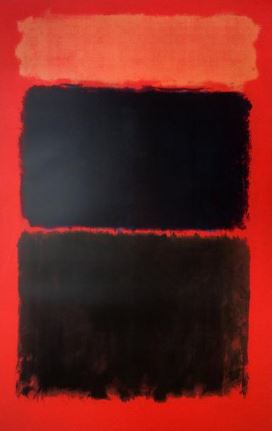
But stand before them in person and everything shifts.
Viewers describe an overwhelming pull – meditation, raw emotion and unexpected tears.
Science reveals there is a psychological architecture.
Rothko didn’t just paint colour he weaponised its psychology.
Deep pulsating reds heighten our pulse in emotional tension. Melancholic maroons and heavy blacks pull us into deep introspection. While soft, luminous hues act as a balm to the nervous system.
But his true mastery lay in orchestrating human thoughts. His canvases are intentionally monumental. Rothko demanded dim lighting and absolute silence.
Depriving the senses to amplify emotional vulnerability.
Notice the soft feathered edges of his shapes. They create a neurological phenomime unlike art crowded with narrative details,
Rothko leaves empty psychological space.
He was chasing the core of human existence tragedy, ecstasy and doom.
Perhaps that is why his work pierces so deeply.
They aren’t just works to be admired; they are emotional landscapes to be lived.